EveryEvent Istanbul

Ver todos os Events

Find every event in Istanbul

events

Concerts & Live Music
Festivals
Sports & Recreation
Food & Drink
Arts & Culture
Community
Family & Kids
Nightlife
Comedy
Theater
Destinos populares
BaliSedonaLos AngelesCosta RicaNew YorkSan FranciscoAustinMiamiJoshua TreeTulum
Ver todas as categoriasVer todos os destinos

Explorar todos os recursos

Ferramentas poderosas para expandir seus eventos

Recursos da plataforma

Precificação dinâmica inteligente
Categorias de ingressos
Lugares marcados
Recuperação de carrinho abandonado
Recuperação de visitantes
Doações e preço variável
Sistema de afiliados
Scanner de ingressos
Códigos de desconto
Perguntas personalizadas
Compartilhamento de ingressos
Upsells e adicionais
Análises e relatórios
Sequências de e-mail
Lista de espera / Notificar / Lembrar
Explorar
Discovery HubArtists & PerformersVenuesKnowledge Base
Ver todos os recursosSobre nós
PreçosBlog
Language
Saved events
Ver todos os eventos

events

Concerts & Live MusicFestivalsSports & RecreationFood & DrinkArts & CultureCommunityFamily & KidsNightlife

Destinos populares

BaliSedonaLos AngelesCosta RicaNew YorkSan Francisco

Explorar

Discovery HubArtists & PerformersVenuesKnowledge Base

Recursos da plataforma

Precificação dinâmica inteligenteCategorias de ingressosLugares marcadosRecuperação de carrinho abandonadoRecuperação de visitantesDoações e preço variávelSistema de afiliadosScanner de ingressosCódigos de descontoPerguntas personalizadasCompartilhamento de ingressosUpsells e adicionaisAnálises e relatóriosSequências de e-mailLista de espera / Notificar / Lembrar
Ver todos os recursosSobre nós
PreçosBlog
EntrarCadastrarOrganizadores de eventos
  • Browse All Events
  • Concerts & Live Music
  • Festivals
  • Sports & Recreation
  • Food & Drink
  • Arts & Culture
  • Community
  • Family & Kids
  • Nightlife
  • Todas as categorias →
  • All Destinations →
  • For Promoters
  • For Artists
  • For Venues
  • For Festivals
  • For Event Spaces
  • For Nonprofits
  • For Bloggers
  • For Speakers
  • Brand Ambassador
  • Case Studies
  • Rede de 350K+ compradores
  • Recuperação de carrinho abandonado
  • Precificação dinâmica inteligente
  • Categorias de ingressos
  • Eventos recorrentes
  • Lugares marcados
  • Sistema de afiliados
  • Lista de espera / Notificar
  • Scanner de ingressos
  • Widget incorporável
  • Distribuição de eventos
  • Central de mensagens
  • Integrações
  • Relatórios
  • Todos os recursos →
  • Sobre
  • O ecossistema
  • Blog
  • Glossário
  • Inspiração
  • Central de ajuda
  • Contato
  • Documentação da API
  • Recursos da marca
  • Carreiras
  • Imprensa
  • Termos de Serviço
  • Política de Privacidade

Events

  • Browse All Events
  • Concerts & Live Music
  • Festivals
  • Sports & Recreation
  • Food & Drink
  • Arts & Culture
  • Community
  • Family & Kids
  • Nightlife
  • Todas as categorias →

Getaways

  • All Destinations →

For Organizers

  • For Promoters
  • For Artists
  • For Venues
  • For Festivals
  • For Event Spaces
  • For Nonprofits
  • For Bloggers
  • For Speakers
  • Brand Ambassador
  • Case Studies

Recursos

  • Rede de 350K+ compradores
  • Recuperação de carrinho abandonado
  • Precificação dinâmica inteligente
  • Categorias de ingressos
  • Eventos recorrentes
  • Lugares marcados
  • Sistema de afiliados
  • Lista de espera / Notificar
  • Scanner de ingressos
  • Widget incorporável
  • Distribuição de eventos
  • Central de mensagens
  • Integrações
  • Relatórios
  • Todos os recursos →

Empresa

  • Sobre
  • O ecossistema
  • Blog
  • Glossário
  • Inspiração
  • Central de ajuda
  • Contato
  • Documentação da API
  • Recursos da marca
  • Carreiras
  • Imprensa
  • Termos de Serviço
  • Política de Privacidade
EveryEvent
© 2026 EveryEvent Istanbul. Todos os direitos reservados.
Inspiration

Lactarius fragilis identification: candycaps, maple syrup flavor

Paul Stamets
Paul Stamets
Nov 24, 2010
5 min de leitura
Assistir · 6

Lactarius fragilis, commonly known as candy caps, are edible wild mushrooms distinguished by their translucent milk (rather than opaque white), non-viscid caps with a texture resembling a cat's tongue, and a remarkable maple syrup flavor profile. They can be foraged in patches and are suitable for culinary applications including cookie-making. Proper identification requires understanding how they differ visually from similar Lactarius species like those with rufous coloring.

Leitura · 7 seções

What are Lactarius fragilis candy caps?

Lactarius fragilis is the formal scientific name for what most foragers call candy caps. These small edible mushrooms have become popular among wild mushroom enthusiasts partly due to their unusual flavor characteristics and culinary versatility. The species name "fragilis" refers to the delicate or fragile nature of these mushrooms, and they belong to the Lactarius genus, which are milk-caps—mushrooms that exude a milky liquid when cut or bruised.

How do you identify Lactarius fragilis in the field?

The key identifying features of Lactarius fragilis involve several specific visual and tactile characteristics. The most distinctive trait is the translucent milk they release—rather than the opaque white milk produced by some Lactarius species, candy caps bleed a clearer, more translucent substance, which Stamets describes as resembling "skim milk" in appearance (at 71 seconds in the video). This translucency is a reliable field marker that separates them from closely related species.

The caps themselves are non-viscid, meaning they lack the sticky or slimy coating some other mushrooms have. While they may feel wet to the touch, this moisture does not make them slippery. The surface texture of the cap top is distinctly rough and is often compared to the texture of a cat's tongue—a useful mnemonic for field identification. This microscopic roughness is a defining characteristic that distinguishes Lactarius fragilis from other Lactarius species with smoother caps, such as those with flamious or rufous (reddish-brown) colorations.

Stamets notes that confusion often arises when foragers encounter similar-looking species, particularly rufous or tawny-colored Lactarius mushrooms. Paying close attention to cap texture and milk translucency helps prevent misidentification.

What do candy caps taste like and how are they used in cooking?

The most remarkable feature of Lactarius fragilis is their flavor profile. These mushrooms have a distinctive maple syrup taste, which is why they are prized in the kitchen. This natural sweetness makes them suitable for both savory and sweet applications. Stamets emphasizes that candy caps "can be made cookies out of," indicating their particular suitability for baked goods and desserts where their maple notes complement the sugar and butter naturally present in cookie recipes.

The culinary appeal of candy caps extends beyond cookies—they can be incorporated into various dishes where a subtle maple or butterscotch note would be desirable, including pancakes, ice cream, or custards. The translucent milk they produce does not affect their edibility; it is safe to consume.

Where do candy caps grow and how abundant are they?

Lactarius fragilis tends to fruit in localized patches, which is significant for foragers planning a harvest. Stamets's excitement about discovering "my patch" multiple times suggests that once a suitable habitat is identified, multiple mushrooms can be found in close proximity. This clustering behavior means that a successful foraging expedition to a known candy cap location can yield substantial quantities suitable for culinary use. Stamets remarks "we can make a lot of cookies with these," indicating the abundance available in a productive patch.

The specific ecological conditions and substrate preferences that encourage candy cap fruiting are not detailed in this field recording, but their tendency to cluster suggests they respond to particular microclimates or soil conditions that repeat across a forager's local landscape.

How do Lactarius fragilis compare to other Lactarius species?

The Lactarius genus contains many species, and visual differentiation requires attention to specific details. Stamets notes particular confusion between candy caps and species with rufous (reddish-brown) coloration or smooth caps. The translucent milk characteristic is perhaps the most reliable field test—other Lactarius species may produce opaque white milk, making this a quick screening tool. Additionally, the rough cap surface (like a cat's tongue) of Lactarius fragilis contrasts with smoother-capped relatives.

Species identification within Lactarius is notoriously challenging for beginners because multiple species can superficially resemble one another. Stamets's emphasis on specific diagnostic traits—translucency of milk, non-viscidity, and cap texture—reflects the care required to distinguish Lactarius fragilis confidently from potential lookalikes.

Why is translucent milk significant for identification?

Milk color and translucency in Lactarius species serve as primary identification characters. The contrast between opaque white milk and translucent (skim milk-like) milk is immediately visible in the field and requires no special equipment to observe. When a candy cap is bruised or cut, the translucent nature of the exuded milk becomes apparent, providing a rapid confirmation of identity. This trait is especially useful because it does not depend on cap color, which can vary within a species or between individuals, nor does it require microscopic examination.

Where to go from here

If you are interested in foraging Lactarius fragilis, begin by learning the three primary identification features: translucent milk, non-viscid and rough (cat's-tongue-like) caps, and maple syrup flavor. Scout your local region during mushroom fruiting season—typically fall in temperate zones—and look for clusters near trees and leaf litter where they tend to fruit. Once you locate a patch, return annually, as Lactarius species often fruit in the same locations year after year. Consult regional field guides specific to your geography to confirm local distribution and to cross-reference species that may overlap in your area. If you intend to harvest for culinary purposes, begin with small quantities to verify your identification and to test your personal tolerance. Clean the mushrooms carefully, as soil and debris can cling to their rough caps. For cookie and dessert recipes, dried candy caps often work better than fresh, as drying concentrates their maple flavor.
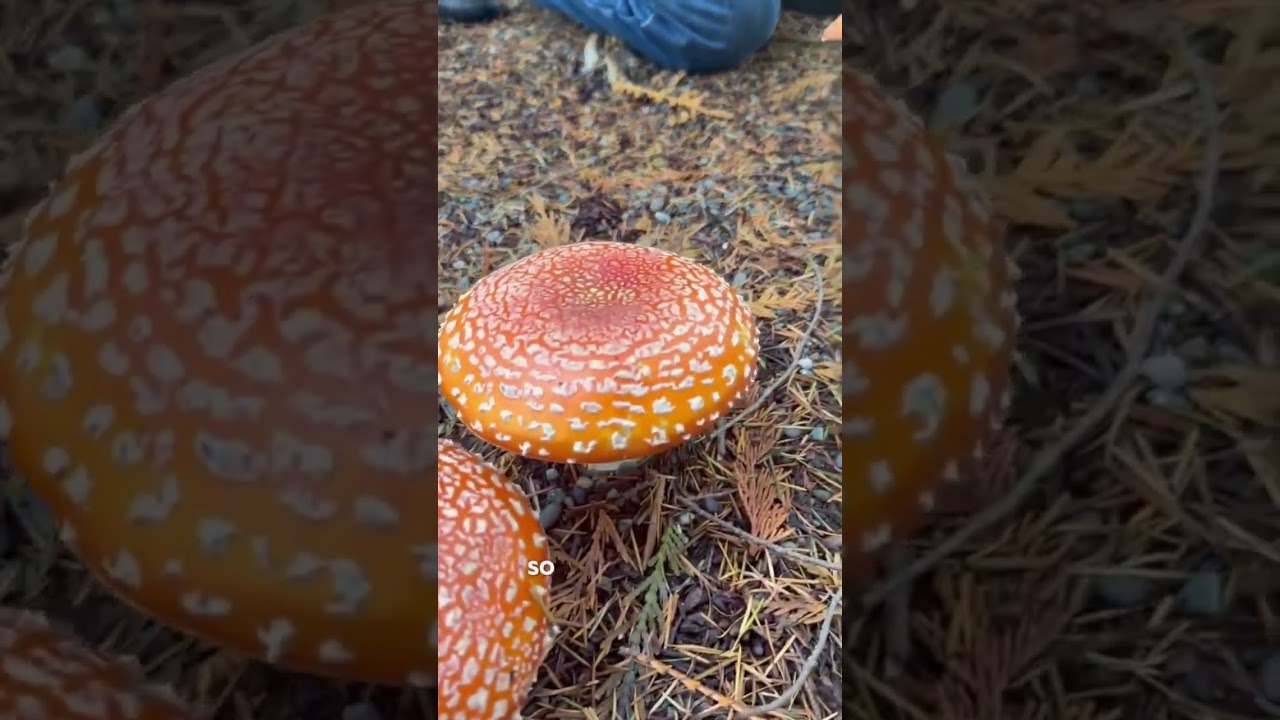
Transcript

[0:03] Ok...

[0:04] Ok, look! Candy caps! Or...

[0:06] Lactarius fragilis, at least that's the old name for them.

[0:11] What's the new name?

[0:12] I don't know what the new name is...

[0:13] But what's unusual about them?

[0:16] They can be made cookies out of.

[0:20] And they also bleed milk.

[0:22] Yeah, right away..

[0:24] And they taste like maple syrup.

[0:25] And they taste like maple syrup, yes.

[0:26] But look at all we found...

[0:28] Wow...

[0:30] My patch! My patch! My patch!

[0:37] Look how many fragilis there are here!

[0:39] Oh my god!

[0:43] Do a mushroom dance? Do a mushroom dance?

[0:47] Wow!

[0:50] We can make a lot of cookies with these.

[0:58] Yeah, they have the..,

[1:06] They're non-viscid caps.

[1:08] They might be wet but they're not viscid.

[1:11] And they have translucent milk.

[1:17] Instead of being whole milk, which would be white white,

[1:20] they're translucent.

[1:22] So it's more like skim milk.

[1:24] Yeah, I noticed that.

[1:25] And the top of the cap is described like the top of a cat's tongue.

[1:29] Yeah...

[1:30] Kind of rough...

[1:32] Some flamious and rufous are much smoother caps.

[1:37] And I always get confused when I find like terous rufous.

[1:42] I have candy caps and that's not, so...

[1:45] Anyhow, excellent. Wow, look at all these.

[1:47] This is fabulous.

Paul Stamets
AutorPaul Stamets

Mycologist and advocate who has dedicated his life to studying mushrooms and their transformative potential to heal people and restore the planet through medicine, agriculture, and…

Ver perfilSite
Explorar temas
Lactarius-fragilisCandy-capsMushroom-identificationForagingMycology

Tem perguntas?

Perguntas frequentes

Translucent milk is see-through or semi-transparent, like skim milk, whereas white milk is completely opaque. In Lactarius fragilis, the translucent milk is a key identifying feature that distinguishes them from other Lactarius species that produce opaque white milk.
Yes, Lactarius fragilis are edible and can be consumed, though they are often dried or cooked to enhance and concentrate their maple syrup flavor. Raw consumption is safe, but cooking or drying is more common in culinary applications, particularly for baked goods.
The cap top of Lactarius fragilis has a rough texture similar to a cat's tongue, which distinguishes it from smoother-capped Lactarius species. This roughness is visible and can be felt by touch in the field, making it a reliable identification feature.
Lactarius fragilis have a naturally occurring maple syrup flavor compound in their flesh. This is an inherent characteristic of the species and is responsible for their common name 'candy caps' and their popularity in sweet culinary applications.
Lactarius fragilis tends to fruit in localized patches, often returning to the same locations year after year. They typically fruit in fall in temperate regions, growing near trees and in leaf litter in suitable forest habitats.
Candy caps have translucent milk and rough, cat's-tongue-like caps, while many rufous or tawny Lactarius species have opaque white milk and smoother caps. Checking milk translucency and cap texture in the field helps prevent misidentification.
Candy caps are particularly well-suited for baked goods like cookies, where their maple syrup flavor complements sugar and butter. They can also be used in desserts, pancakes, ice cream, and custards, and drying them concentrates their flavor for better results.
No, Lactarius fragilis are non-viscid, meaning they do not have a sticky or slimy coating. While they may feel wet to the touch, this moisture does not make them slippery or viscous like some other mushroom species.

Continuar lendo

More from Paul

Ver Tudo
Amanita Muscaria: History, Identification & Safety of Fly Agaric
Inspire

Amanita Muscaria: History, Identification & Safety of Fly Agaric

Amanita muscaria, the fly agaric, has ancient roots in pest control and cultural mythology. Despite its striking beauty, this mushroom poses…

1 min read
Lactarius Deliciosus: Identifying & Foraging the Saffron Cap
Inspire

Lactarius Deliciosus: Identifying & Foraging the Saffron Cap

The saffron milk cap (Lactarius deliciosus) is an easy-to-identify edible mushroom with striking green staining and orange milk. Learn how t…

1 min read
How Sitting Still Proves You're Already Awakening
Inspire

How Sitting Still Proves You're Already Awakening

Most people can't sit quietly without discomfort, but if you can, you're already further along spiritually than you realize. Eckhart Tolle e…

1 min read
The Missing Piece: How Real Thinking Creates Real Results
Inspire

The Missing Piece: How Real Thinking Creates Real Results

Most vision boards fail because people skip the actual thinking. Eckhart Tolle reveals the rhythm that unlocks insight and the two distinct …

1 min read

Continue explorando

Continue sua jornada

Mais sabedoria e mais encontros de todo o diretório BrightStar.

Mais artigos

Explore a biblioteca completa de ensinamentos, entrevistas e guias.

Voltar a todos os artigos →

Professores e artistas

Conheça as linhagens, os músicos e os guias do mundo consciente.

Explorar artistas →

Encontre um evento

Kirtan, retiros, banhos de som, breathwork, festivais — acontecendo em breve.

Ver eventos →