EveryEvent Istanbul

Ver todos os Events

Find every event in Istanbul

events

Concerts & Live Music
Festivals
Sports & Recreation
Food & Drink
Arts & Culture
Community
Family & Kids
Nightlife
Comedy
Theater
Destinos populares
BaliSedonaLos AngelesCosta RicaNew YorkSan FranciscoAustinMiamiJoshua TreeTulum
Ver todas as categoriasVer todos os destinos

Explorar todos os recursos

Ferramentas poderosas para expandir seus eventos

Recursos da plataforma

Precificação dinâmica inteligente
Categorias de ingressos
Lugares marcados
Recuperação de carrinho abandonado
Recuperação de visitantes
Doações e preço variável
Sistema de afiliados
Scanner de ingressos
Códigos de desconto
Perguntas personalizadas
Compartilhamento de ingressos
Upsells e adicionais
Análises e relatórios
Sequências de e-mail
Lista de espera / Notificar / Lembrar
Explorar
Discovery HubArtists & PerformersVenuesKnowledge Base
Ver todos os recursosSobre nós
PreçosBlog
Language
Saved events
Ver todos os eventos

events

Concerts & Live MusicFestivalsSports & RecreationFood & DrinkArts & CultureCommunityFamily & KidsNightlife

Destinos populares

BaliSedonaLos AngelesCosta RicaNew YorkSan Francisco

Explorar

Discovery HubArtists & PerformersVenuesKnowledge Base

Recursos da plataforma

Precificação dinâmica inteligenteCategorias de ingressosLugares marcadosRecuperação de carrinho abandonadoRecuperação de visitantesDoações e preço variávelSistema de afiliadosScanner de ingressosCódigos de descontoPerguntas personalizadasCompartilhamento de ingressosUpsells e adicionaisAnálises e relatóriosSequências de e-mailLista de espera / Notificar / Lembrar
Ver todos os recursosSobre nós
PreçosBlog
EntrarCadastrarOrganizadores de eventos
  • Browse All Events
  • Concerts & Live Music
  • Festivals
  • Sports & Recreation
  • Food & Drink
  • Arts & Culture
  • Community
  • Family & Kids
  • Nightlife
  • Todas as categorias →
  • All Destinations →
  • For Promoters
  • For Artists
  • For Venues
  • For Festivals
  • For Event Spaces
  • For Nonprofits
  • For Bloggers
  • For Speakers
  • Brand Ambassador
  • Case Studies
  • Rede de 350K+ compradores
  • Recuperação de carrinho abandonado
  • Precificação dinâmica inteligente
  • Categorias de ingressos
  • Eventos recorrentes
  • Lugares marcados
  • Sistema de afiliados
  • Lista de espera / Notificar
  • Scanner de ingressos
  • Widget incorporável
  • Distribuição de eventos
  • Central de mensagens
  • Integrações
  • Relatórios
  • Todos os recursos →
  • Sobre
  • O ecossistema
  • Blog
  • Glossário
  • Inspiração
  • Central de ajuda
  • Contato
  • Documentação da API
  • Recursos da marca
  • Carreiras
  • Imprensa
  • Termos de Serviço
  • Política de Privacidade

Events

  • Browse All Events
  • Concerts & Live Music
  • Festivals
  • Sports & Recreation
  • Food & Drink
  • Arts & Culture
  • Community
  • Family & Kids
  • Nightlife
  • Todas as categorias →

Getaways

  • All Destinations →

For Organizers

  • For Promoters
  • For Artists
  • For Venues
  • For Festivals
  • For Event Spaces
  • For Nonprofits
  • For Bloggers
  • For Speakers
  • Brand Ambassador
  • Case Studies

Recursos

  • Rede de 350K+ compradores
  • Recuperação de carrinho abandonado
  • Precificação dinâmica inteligente
  • Categorias de ingressos
  • Eventos recorrentes
  • Lugares marcados
  • Sistema de afiliados
  • Lista de espera / Notificar
  • Scanner de ingressos
  • Widget incorporável
  • Distribuição de eventos
  • Central de mensagens
  • Integrações
  • Relatórios
  • Todos os recursos →

Empresa

  • Sobre
  • O ecossistema
  • Blog
  • Glossário
  • Inspiração
  • Central de ajuda
  • Contato
  • Documentação da API
  • Recursos da marca
  • Carreiras
  • Imprensa
  • Termos de Serviço
  • Política de Privacidade
EveryEvent
© 2026 EveryEvent Istanbul. Todos os direitos reservados.
Inspiration

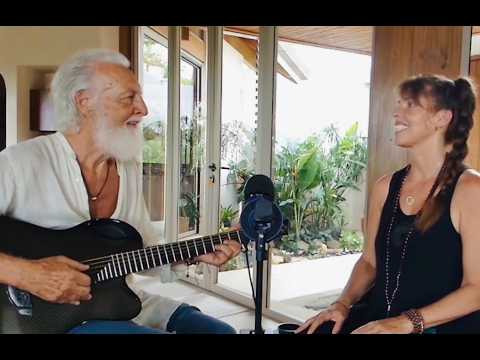
Aham Prema: I AM LOVE Chant 108Times with Deva Premal and Miten

Miten
Miten
Jul 13, 2011
7 min de leitura

"Aham Prema," translated as "I AM LOVE," is a Sanskrit affirmation chanted 108 times in this performance by Deva Premal and Miten, with musical accompaniment by Manose. The recording captures the 2009/2010 world tour and represents a core spiritual practice found on their album Password—using repetitive vocalization and mantra as a vehicle for embodying love consciousness and recognizing one's essential nature.

Leitura · 7 seções

What does "Aham Prema" mean in Sanskrit?

"Aham Prema" is a foundational Sanskrit statement that translates directly to "I AM LOVE." The mantra combines two Sanskrit roots: "aham" (I, the self) and "prema" (divine love, unconditional love). This simple but profound declaration functions not as intellectual affirmation but as a vibrational invocation—a way of aligning consciousness with the principle of love itself. Rather than suggesting that one possesses love, the mantra points to the recognition that love is one's fundamental nature, not something acquired or earned but something already present at the core of being.

In Sanskrit spiritual traditions, mantras like "Aham Prema" serve as sonic vehicles for shifting awareness. The repetition of the phrase, especially in structured practice like chanting 108 times, is believed to create a resonance that quiets the thinking mind and attunes the nervous system to the frequency of the mantra's meaning. The number 108 itself carries significance in Hindu and Buddhist traditions—it is considered a sacred number representing the totality of existence and is often used in prayer beads (malas) and meditation practices.

Why chant a mantra 108 times?

The practice of chanting 108 times is rooted in ancient Vedic tradition and appears across multiple spiritual lineages. The number 108 is believed to represent the journey of the soul through different stages of enlightenment, or the 108 degrees of the sun's rising from the horizon. Some traditions relate it to the 108 Upanishads (ancient philosophical texts) or the 108 beads on a mala, used for counting mantra repetitions.

Chanting the same phrase repeatedly creates a meditative state through rhythm and sound. As the body and voice align with the mantra, the thinking mind—which constantly judges, analyzes, and resists—begins to settle. The practice becomes less about "performing" a chant and more about entering a state of unified consciousness where the distinction between the chanter and the chanted dissolves. This is not about belief in magical transformation but about the neurological and psychosomatic effects of synchronized sound, breath, and intention. When done in community, as Deva Premal and Miten lead their audiences to do, the collective resonance amplifies the effect.

How does chanting function as a spiritual practice?

Chanting, particularly in the kirtan tradition (call-and-response devotional singing), serves multiple functions in spiritual work. First, it anchors attention. When the mind repeats a mantra—whether silently or aloud—it has something to do other than wander into worry, regret, or conceptual spinning. This alone is a form of meditation. Second, the vibrational quality of sound directly affects the body's systems. Sanskrit, with its particular phonetic structure, is said in traditional texts to carry codes for consciousness itself. The sounds of "Aham Prema" are designed to open the heart center and dissolve resistance to love.

Beyond the individual, kirtan creates community. Deva Premal and Miten's work centers on this aspect—leading audiences into collective chanting transforms isolation into belonging. When hundreds of people chant the same mantra together, the individual ego feels held within something larger. This experience can catalyze direct recognition of the interconnected nature of consciousness. The feeling is not one of bliss imposed from outside but of remembering something already true.

What is the "Password" album and its context?

"Password," the album containing "Aham Prema," continues Deva Premal and Miten's long collaboration in bringing Sanskrit mantras and spiritual music to contemporary audiences. Their work has always bridged the ancient and the modern—using professional recording, world-class musical arrangements, and global touring to make mantra accessible beyond ashrams and temples. The "Password" title itself suggests that the mantra is a key—a password to something that remains locked until one uses the right sound, the right frequency, the right state of presence.

This 2011 recording captures the duo during their 2009–2010 world tour, meaning the performance was created and edited by their collaborator Manose during active practice with audiences worldwide. The context matters: these are not studio-perfect renditions but recordings grounded in the lived experience of leading people into mantra work in real time. The imagery from the world tour shown in the video reinforces the universality of the practice—people from different cultures, languages, and backgrounds coming together to chant "I AM LOVE."

Why does chanting work across language and cultural boundaries?

A question that often arises for Western audiences approaching Sanskrit mantras: why should non-Hindu, non-Sanskrit-speaking people chant in a language they don't understand? The answer lies in the non-semantic dimensions of sound. While the mind might not grasp the meaning intellectually, the body and the heart-nervous system respond to the vibration itself. Sanskrit phonetics are designed to activate specific energy centers (chakras) in the subtle body according to traditional teachings. The sound "Aham" is said to activate the core sense of self, while "Prema" opens and softens the heart.

Moreover, mantra works at pre-linguistic levels of the nervous system. A child cries, and the sound itself communicates distress before any words exist. A lullaby calms a baby through its frequency, rhythm, and intention, not through vocabulary. Similarly, when thousands of voices chant "Aham Prema," the collective resonance creates a state that the thinking mind didn't organize—it's felt rather than understood. This is part of why Deva Premal and Miten's approach has reached so many people who have no connection to Hinduism or Eastern philosophy but are seeking direct experience of love and unity.

How can mantra practice integrate into modern spiritual life?

For contemporary practitioners, chanting "Aham Prema" can serve several purposes. Mechanically, it can be used as a meditation practice—setting aside 5–20 minutes daily to chant or listen to the mantra, allowing the nervous system to attune to its frequency. Many people play the recording in the background, in the car, or before sleep. The practice requires no belief; it is purely experiential.

Psychologically, the affirmation "I AM LOVE" counters the conditioning of shame, unworthiness, or separation that many carry. In repeating the phrase, especially in a group context, one begins to inhabit the statement rather than just think it. The body relaxes. The shoulders drop. The breathing becomes deeper. These are not metaphorical changes but measurable physiological shifts.

Spiritually, the practice points to a recognition beyond the individual self. The "I" in "Aham Prema" is not the personal ego-self but the universal consciousness expressed through the form. As the chant deepens, the sense of a separate self chanting gradually dissolves into the simple, undeniable experience of presence itself—which, at its core, is love. This is not earned or constructed; it is simply recognized as what has always been true.

Where to go from here

If "Aham Prema" resonates with you, begin with simple practice: listen to the 108-chant recording, either as background during your day or as a dedicated meditation practice. If you have a mala (prayer beads), you can chant it once per bead. Join a kirtan circle or online community if you wish to experience the power of group chanting. Explore other recordings from Deva Premal and Miten to discover mantras that call to you—each carries different qualities and opens different aspects of consciousness. Consider connecting with their Gayatri Sangha App or newsletter for guided practices and teaching. Most importantly, let the practice unfold organically rather than forcing results. The point is not to achieve anything but to return again and again to the simple recognition encoded in the phrase itself: you already are love.

Miten
AutorMiten

British musician who transformed from 1970s rock performer to internationally renowned mantra singer. Born Andy Desmond, he became a disciple of Osho in 1980 and now tours globally…

Ver perfilSite
Explorar temas
Aham-premaSanskrit-mantraMantra-chantingKirtanDeva-premal-miten

Tem perguntas?

Perguntas frequentes

"Aham Prema" translates to "I AM LOVE" in Sanskrit, combining "aham" (I, the self) and "prema" (divine love). Chanting 108 times is a practice rooted in ancient Vedic tradition; 108 is considered a sacred number representing completeness, enlightenment, or cosmic totality. The repetition creates a meditative state that quiets the thinking mind and attunes the nervous system to the frequency of love consciousness.
Yes. Mantras work at pre-linguistic, pre-semantic levels—the body and nervous system respond to the vibrational frequency of the sound itself, not just its intellectual meaning. Sanskrit phonetics are designed to activate specific energy centers; the collective resonance of many voices chanting together amplifies the effect, creating a direct experience that transcends cultural or religious background.
Repetitive chanting anchors attention, quieting mental chatter and inducing a meditative state. Neurologically and psychosomatically, synchronized sound, breath, and intention affect the nervous system—the body relaxes, breathing deepens, and the mind settles. Over time, the affirmation counters conditioning of unworthiness and begins to shift the felt sense of one's essential nature from separation to love.
Both have value. Listening attunes your nervous system to the mantra's frequency with less effort, while active chanting engages your whole body and voice in the practice, deepening the embodiment. Group chanting adds the effect of collective resonance—when many voices align, individual consciousness expands into something larger.
Deva Premal and Miten offer the Gayatri Sangha App for guided practices, a newsletter with teachings, global tours, recorded music, and social media presence on Facebook and Instagram. Their website devapremalmiten.com provides links to all resources, and their album "Password" contains "Aham Prema" along with other mantras.
There is no fixed prescription; even brief daily practice (5–20 minutes) can begin to shift the nervous system and consciousness. Some people play the recording in the background throughout the day, while others dedicate specific meditation time. The key is consistency and allowing the practice to unfold organically rather than forcing results.
Chanting shares elements of both but is distinct. Like prayer, it can express devotion and intention; like meditation, it anchors attention and quiets mental chatter. However, mantra chanting specifically uses the vibrational power of sound and repetition to attune consciousness to a particular frequency—in this case, love—making it a practice that engages body, mind, and spirit simultaneously.

Continuar lendo

More from Miten

Ver Tudo
Sanskrit Chanting & Kirtan: South America Tour 2026
Featured

Sanskrit Chanting & Kirtan: South America Tour 2026

Deva Premal and Miten return to South America for their first tour in over a decade, bringing sacred Sanskrit mantras and healing kirtan to …

1 min read
Ide Were Were: Ochun Chant and Sacred Feminine Power
Featured

Ide Were Were: Ochun Chant and Sacred Feminine Power

Deva Premal and Miten's revisited chant honoring Ochun, the Yoruba goddess of fresh water, fertility, and sacred feminine power.…

1 min read
Deva Premal & Miten Australia Tour 2026: Singing Our Prayers
Featured

Deva Premal & Miten Australia Tour 2026: Singing Our Prayers

Deva Premal and Miten announce their return to Australia in October 2026 for three concerts and a Gayatri Gathering Retreat in Byron Shire.…

1 min read
Monthly Satsang Meditation: Mantras, Sound Healing & Presence
Featured

Monthly Satsang Meditation: Mantras, Sound Healing & Presence

A guided meditation satsang exploring the healing power of mantras, sacred sound resonance, and collective spiritual gathering across contin…

1 min read

Continue explorando

Continue sua jornada

Mais sabedoria e mais encontros de todo o diretório BrightStar.

Mais artigos

Explore a biblioteca completa de ensinamentos, entrevistas e guias.

Voltar a todos os artigos →

Professores e artistas

Conheça as linhagens, os músicos e os guias do mundo consciente.

Explorar artistas →

Encontre um evento

Kirtan, retiros, banhos de som, breathwork, festivais — acontecendo em breve.

Ver eventos →