EveryEvent Istanbul

すべてのEventsを見る

Find every event in Istanbul

events

Concerts & Live Music
Festivals
Sports & Recreation
Food & Drink
Arts & Culture
Community
Family & Kids
Nightlife
Comedy
Theater
人気の目的地
BaliSedonaLos AngelesCosta RicaNew YorkSan FranciscoAustinMiamiJoshua TreeTulum
すべてのカテゴリを見るすべての目的地を見る

すべての機能を探索

イベントを成長させる強力なツール

プラットフォーム機能

スマートダイナミックプライシング
チケットカテゴリ
座席指定
カート放棄リカバリー
訪問者リカバリー
寄付とスライディングスケール
アフィリエイトシステム
チケットスキャナー
クーポンコード
カスタム質問
チケット共有
アップセルとアドオン
分析とレポート
メールシーケンス
ウェイトリスト / 通知 / リマインダー
探索
Discovery HubArtists & PerformersVenuesKnowledge Base
すべての機能を見る私たちについて
料金ブログ
Language
Saved events
すべてのイベントを見る

events

Concerts & Live MusicFestivalsSports & RecreationFood & DrinkArts & CultureCommunityFamily & KidsNightlife

人気の目的地

BaliSedonaLos AngelesCosta RicaNew YorkSan Francisco

探索

Discovery HubArtists & PerformersVenuesKnowledge Base

プラットフォーム機能

スマートダイナミックプライシングチケットカテゴリ座席指定カート放棄リカバリー訪問者リカバリー寄付とスライディングスケールアフィリエイトシステムチケットスキャナークーポンコードカスタム質問チケット共有アップセルとアドオン分析とレポートメールシーケンスウェイトリスト / 通知 / リマインダー
すべての機能を見る私たちについて
料金ブログ
ログイン新規登録イベント主催者
  • Browse All Events
  • Concerts & Live Music
  • Festivals
  • Sports & Recreation
  • Food & Drink
  • Arts & Culture
  • Community
  • Family & Kids
  • Nightlife
  • すべてのカテゴリ →
  • All Destinations →
  • For Promoters
  • For Artists
  • For Venues
  • For Festivals
  • For Event Spaces
  • For Nonprofits
  • For Bloggers
  • For Speakers
  • Brand Ambassador
  • Case Studies
  • 35万人以上のバイヤーネットワーク
  • カート放棄リカバリー
  • スマートダイナミックプライシング
  • チケットカテゴリ
  • 定期イベント
  • 座席指定
  • アフィリエイトシステム
  • ウェイトリスト / 通知
  • チケットスキャナー
  • 埋め込みウィジェット
  • イベント配信
  • メッセージセンター
  • インテグレーション
  • レポート
  • すべての機能 →
  • 概要
  • エコシステム
  • ブログ
  • 用語集
  • インスピレーション
  • ヘルプセンター
  • お問い合わせ
  • APIドキュメント
  • ブランドアセット
  • 採用
  • プレス
  • 利用規約
  • プライバシーポリシー

Events

  • Browse All Events
  • Concerts & Live Music
  • Festivals
  • Sports & Recreation
  • Food & Drink
  • Arts & Culture
  • Community
  • Family & Kids
  • Nightlife
  • すべてのカテゴリ →

Getaways

  • All Destinations →

For Organizers

  • For Promoters
  • For Artists
  • For Venues
  • For Festivals
  • For Event Spaces
  • For Nonprofits
  • For Bloggers
  • For Speakers
  • Brand Ambassador
  • Case Studies

機能

  • 35万人以上のバイヤーネットワーク
  • カート放棄リカバリー
  • スマートダイナミックプライシング
  • チケットカテゴリ
  • 定期イベント
  • 座席指定
  • アフィリエイトシステム
  • ウェイトリスト / 通知
  • チケットスキャナー
  • 埋め込みウィジェット
  • イベント配信
  • メッセージセンター
  • インテグレーション
  • レポート
  • すべての機能 →

会社

  • 概要
  • エコシステム
  • ブログ
  • 用語集
  • インスピレーション
  • ヘルプセンター
  • お問い合わせ
  • APIドキュメント
  • ブランドアセット
  • 採用
  • プレス
  • 利用規約
  • プライバシーポリシー
EveryEvent
© 2026 EveryEvent Istanbul. 全著作権所有.
Inspiration

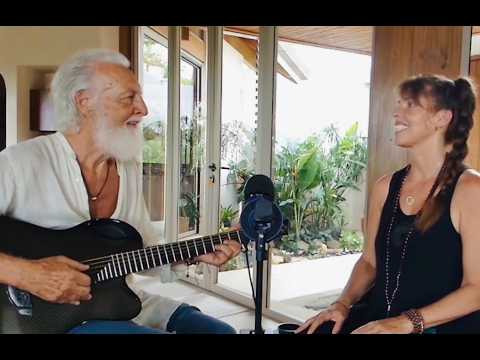
Gayatri Mantra Meditation:108-Cycle Chant Practice

Miten
Miten
Jan 28, 2020
読了 約8分
視聴 · 6
The Gayatri Mantra is one of Hinduism's most revered invocations, traditionally chanted 108 times to support meditation practice and awaken awareness of divine light and pure consciousness. This guide explains the mantra's Sanskrit roots, its philosophical meaning, the significance of 108 repetitions in spiritual practice, and how to approach sustained chanting as a contemplative tool.

読む · 7セクション

What Is the Gayatri Mantra?

The Gayatri Mantra is an ancient Sanskrit invocation from the Rigveda, one of Hinduism's oldest sacred texts. The mantra reads: "Om Bhur Bhuvah Svah, Tat Savitur Varenyam, Bhargo Devasya Dhimahi, Dhiyo Yo Nah Prachodayat."

In translation, the mantra invokes: "Meditating upon the adorable, enchanting and radiant source of all things, we awaken to the divine light of pure consciousness." The mantra addresses Savitri, the solar deity representing the vital life force and illuminating power of existence. Rather than asking for external blessings, the Gayatri Mantra directs attention inward—toward recognizing the divine light already present within consciousness itself.

This inward-turning quality distinguishes the Gayatri from many other mantras. It is not transactional prayer but an act of meditation: a deliberate focusing of mind on the radiant source of awareness. When chanted with attention, the Gayatri becomes a tool for recognizing that the "adorable, enchanting source" is not separate from the one who chants, but fundamental to their own consciousness.

Why Is 108 the Traditional Number of Repetitions?

The number 108 holds deep significance across Hindu, Buddhist, and yogic traditions. This is not arbitrary: 108 appears repeatedly in sacred geometry, astronomical cycles, and the architecture of the body itself.

  • Cosmic significance: 108 represents the distance between the Earth and the Sun in terms of solar diameters, and the distance between the Earth and the Moon in terms of lunar diameters. This numerical harmony reflects a deep relationship between human consciousness and celestial cycles.
  • Anatomical correspondence: Tantric and yogic philosophy identifies 108 energy points, or marma points, in the human body. Chanting 108 times is believed to activate and harmonize these subtle energy centers.
  • Philosophical meaning: In some traditions, 108 represents the complete journey through all states of consciousness—from gross to subtle to transcendent awareness.
  • Practical duration: Chanting 108 cycles of the Gayatri Mantra creates a sustained meditation practice lasting approximately 20–25 minutes, long enough to allow the mind to settle but not so long as to invite fatigue or distraction.

The 108-cycle structure is not merely symbolic; it creates a container for practice. The repetition itself—the rhythmic return to the same words, the same intention—trains the mind to remain stable and focused. With each cycle, layers of surface thought begin to quiet, allowing deeper attention to emerge.

How Does Mantra Meditation Work?

Mantra practice operates through multiple channels simultaneously: sonic, semantic, and energetic. When you chant the Gayatri Mantra, several things occur:

Sound vibration: Sanskrit mantras are constructed with precise phonetic qualities. Each syllable is said to activate specific energy channels and nerve plexuses in the body. The Gayatri, with its particular sequence of vowels and consonants, creates vibrations that are believed to stimulate the subtle nervous system and clear energetic blockages.

Meaning and intention: Unlike some mantras that work primarily through sound, the Gayatri engages the intellect. The meaning—"awakening to divine light"—provides a conceptual anchor. As you repeat the mantra, you are not merely producing sound; you are reinforcing an intention to recognize consciousness itself.

Stabilization of mind: The repetitive structure of mantra practice naturally calms mental agitation. Rather than fighting thoughts or trying to suppress them through force, the mantra gives the mind a focus. Like a river that flows more smoothly when given a clear channel, the mind settles when given a meaningful object of attention. After many cycles, the gap between one repetition and the next may widen; awareness may deepen into silence even while the chanting continues.

Rhythm and breath: Traditional Gayatri chanting follows specific rhythmic patterns tied to the breath. This alignment of sound, breath, and movement creates a unified psychosomatic experience. The body, breath, and mind move together, creating coherence rather than fragmentation.

The Structure of a 108-Cycle Gayatri Practice

A complete 108-cycle Gayatri session typically follows this arc:

Opening (cycles 1–9): The first few cycles serve as an arrival. The mind is often still busy with the concerns of daily life. There is no need to force attention; simply chant and allow the mind to gradually draw inward. By the ninth cycle, the momentum of practice begins to establish itself.

Deepening (cycles 10–90): This is the substantial body of the practice. The mantra becomes less effortful; it flows more naturally. Many practitioners report that somewhere in this middle section, the boundary between "I am chanting" and "the chanting is happening" becomes less distinct. The personal, effortful self steps back, and the mantra seems to chant itself. This is not a sign of inattention but of deepening absorption.

Completion (cycles 91–108): The final cycles carry a quality of resolution. There is often a sense of the practice coming to natural completion. By the 108th cycle, the mind is typically more settled, the breath more subtle, and the distinction between sound and silence more transparent. It is common to sit in silence for several minutes after the final cycle, allowing the effects of the practice to integrate.

How to Practice: Practical Guidance

Find a quiet space: While the Gayatri can be chanted anywhere, it benefits from a setting free of interruption. Even 20 minutes of undisturbed time allows deeper focus to emerge.

Sit comfortably upright: Traditional practice is done seated, with the spine straight. This allows energy to flow more freely through the central channel and supports alertness without tension.

Learn the melody: The Gayatri is traditionally chanted in a specific melodic mode (raga). Listening to recordings by practitioners like Deva Premal and Miten allows you to absorb the correct pronunciation and intonation. The melody is not ornamental; it is integral to the practice's effectiveness.

Begin gently: There is no need to push or strain. Chant at a volume and pace that feels natural. Many practitioners find that as the mind settles, the volume naturally decreases and the pace slows.

Use a mala or counter: A mala is a string of 108 beads used to count repetitions. Moving one bead with each cycle keeps the mind engaged and removes the need to count mentally. This frees attention for deeper absorption in the mantra's meaning.

Maintain gentle focus: As you chant, allow your awareness to rest on the meaning of the mantra—the invocation of divine light and pure consciousness. If the mind wanders, gently return it to the chanting without self-judgment. Wandering and returning is the entire practice; there is no failure in this process.

Sit afterward: After completing 108 cycles, do not immediately stand or resume activity. Sit quietly for at least five minutes, allowing the calming effects to deepen and integrate into your nervous system.

The Inner Transformation Through Repetition

One of the striking features of sustained mantra practice is the shift that occurs over time. In the early cycles, the mantra feels like something you are doing. You are aware of the effort, the pronunciation, the counting. But as the practice deepens—particularly across the 108 cycles—something reverses.

The mantra begins to feel less like an action and more like a recognition. The words "awaken to the divine light of pure consciousness" are no longer a prayer directed toward a distant goal. They begin to feel like a description of what is already true, already present. The practice reveals not that consciousness is far away and difficult to access, but that it is intimately close, needing only attention to be recognized.

This shift does not happen through belief or imagination. It arises through the accumulated effect of returning, again and again, to the same intention. Each cycle plants a seed. The 108 cycles together create a field of attention in which transformation becomes possible.

Where to Go From Here

If you are new to the Gayatri, begin with the 108-cycle recording as a guided practice. Let the melody and rhythm carry you; do not concern yourself with perfect understanding on the first attempt. The mantra reveals its depths over time and through repetition.

As you become familiar with the practice, consider adding it to a regular meditation routine—perhaps 2–3 times per week, or daily if you are drawn to it. Some practitioners find that a single 108-cycle session creates enough clearing and settling that it becomes a natural anchor point in the week.

You may also explore learning the Gayatri without the musical support, allowing your own voice to carry the mantra. This deeper engagement with pronunciation and intonation can increase the subtle effects.

Finally, remember that the goal of mantra practice is not to achieve a special state or gain something you do not have. It is to recognize what is already true: that the source of light, intelligence, and consciousness that the mantra invokes is not distant, not other, but the very ground of your own awareness. The 108 cycles are simply 108 invitations to notice this truth that persists beyond all change.

]]>

Transcript

[0:00] 3

[0:06] 으

[0:06] [음악]

[0:22] 으 놓아 4 탑이 2 ly

[0:27] r 거래 봤어야 di

[0:31] 대요 너 wi

[0:35] 으 야사 등 사업이 통할 날이면

[0:40] 바울 고래 봤어야 드림하이 2 아이온 1

[0:44] * 출에 야

[0:48] 으 were no

[0:53] 화 으레 화 씨앗 이마이

[0:56] 4 오너 쇼 올라야

[1:00] 5 모바 수가 더 차피 풀바른 염

[1:05] 바로 래 발사 dry

[1:08] 에어 워너 qi

[1:12] 5 were to a 해명

[1:17] 바르고 랩 아샤 디마 2 아이온 아 q 올라야

[1:24] 으 바사라 타사 미투 활발히 했냐

[1:30] 바로 love i o u 츄 a

[1:37] 5 봄을 뭐 wr 탭 3의 토 하루 말해 면

[1:42] 알고 대 봤어야 d 마이

[1:46] out only 5

[1:51] 모바 삿 3의 tory 해명

[1:55] 바르고 델마 쌀이 마이

[1:59] ou

[2:02] 5 wm 년 8월 mei you we

[2:14] 5 무가 403회 통한 가리면

[2:20] role i be 오너

[2:25] wi 5

[2:28] 물 알수 바타 사회 툴 반면

[2:32] 알고 대 맞서야 대화해

[2:35] 비유 요 나 to a 5 were 툴 햄 염

[2:44] rode i eo 요나 we

[2:51] 5 으 음 알사탕 싸게 토로가 했냐면

[2:56] a lover

[2:59] bono hurry 야

[3:03] 아 으 뭐가 스왓 4 를 통한 해명

[3:08] 바로 랩 와 crm 아이 내어 요나

[3:12] 버츄얼 아이아

[3:15] 으 와 4 5 4회 툴바 린 년

[3:20] ro 대마 써야 de mi do 요나

[3:24] 그렇죠 날이야

[3:27] 5 올바스 아카 사회 토로 말이면

[3:32] 알고 대마 씨앗 이 말

[3:35] bo 나와 qr 아야

[3:39] 아 으 w4

[3:42] 탓 사례 2 가래 했냐면 알고 대박 씨알이 마이

[3:48] ou q a

[3:51] 아 으 were term 년

[3:56] a 그대 박설희 마이 뉴 요나 그렇죠 날이야

[4:03] 5 무루 사타 3에 툴 바랜 염

[4:09] 바루 de i o u

[4:15] 5 으 가사 작살 왜냐면

[4:20] 알고 대 봤어야 demi you i

[4:27] 5 our 탁 사회 톨 바랜 념

[4:32] r 올해 봤어야 di leo 너 그렇죠 너야

[4:39] 으 very 면

[4:44] 바르고 대 봤어야 d 마이

[4:47] 내외 요나와 쥬얼 아이야

[4:51] 5 were torn 0

[4:57] wei our 와아

[5:02] 아 5 over 탑에 통해 올바르게 있는

[5:08] 바울 거래 봤어 얘기할 내어 요나 버츄얼 애야

[5:15] 아 o 아 사타 3의 풀과 내면

[5:20] 바울 골대 바샤 리마 2 의 오나

[5:24] qri

[5:27] 5 wr 다 사회 토로 말이면

[5:32] 화 얼굴 해 봤어야 dr 되요 너 그거 줘 랄라 r

[5:39] 아 으 뭐 바스 r 5 2 가 되면

[5:44] rl 바샤 돼 마이 네요 요나 그렇죠 라야

[5:51] 으 ws 맡아 사회 툴 바랜 념

[5:56] 아 거래와 쌀이 y ou tory

[6:03] 5 were 툴 아래는 념

[6:08] 가을노래 봤어야 해 말 비유 요 나 w 아아

[6:15] 5 were 투룸 아래 녀 모음

[6:20] 아우 대 바샤 dmi 돼요 나 뭐 촌 와이야이

[6:27] 5 으 4단 400 tory 하면

[6:32] 바루 레 화 싸 dmi 내 의 오나

[6:36] * 피오르

[6:37] [음악]

[6:38] 으 아사다 사회 2 알아내면

[6:44] 바로 레이아 dry your holy

[6:50] 으 were to a 말을 했냐면

[6:55] r 올해 봤어야 dmi 리오 열라 암초 날이야

[7:02] 5 were poor me love i do 유하나

[7:11] 큐어 야 5.1 스왓 4 회 통하다 되는 년

[7:19] 말고 내 바샤 demi 내용 어느

[7:23] 쥬얼 아야

[7:25] 으 were 2 바래 년

[7:32] rover oui

[7:38] 으 wr 탁상에 통을 가래 년

[7:43] 바르고 그래 봤어 야겜 아이 비어 요나 갖춰야

[7:50] 으 난 스타터 알툴바 리면

[7:54] 알고 대봐 쌀이 말 뉴욕 놀라운 슈얼 아야

[8:01] 5 wr 통으로 말해 이념

[8:07] were our 추워요 아아

[8:12] 5 welter 웬 염

[8:18] 바로 거리와 써야 돼 마이 내요 너

[8:22] 갖춰야

[8:24] 으

[8:26] 20 모바 삿 사회 툴 발에 면

[8:30] 바울 고대 봤어요 demi

[8:33] you 언어 * 초라 해야

[8:36] 으 바 4타 차 계 2 안되면 바로 랩 왔어야 드림하이 되요 나 our

[8:46] 위 야

[8:48] 으

[8:50] wo 탑에 2 발해는 념

[8:54] 악 을 해 봤어야 dry too 그렇죠 알아야

[9:00] 5 were torn 염

[9:05] i we i do holy 야

[9:12] 5 erm 염

[9:18] rover eo 그렇지 오리야

[9:23] 5 or sr to ryan 0

[9:29] 아흐 거래 봤어야 dmi ou 않아 you

[9:35] 5 were to a num

[9:40] 바우 wei our 위 야 그 봐서 텃 사회 토르 받은 요

[9:52] 알고 레 봤어야 di

[9:55] 내요 요나 * 추워야

[9:59] 으 와 스마트 사회 툴바를 해면

[10:04] 아우디 rs4 대만이 리어 요나

[10:08] 그렇죠 라야

[10:11] 5 음화 4 타살 2 말을 했냐면

[10:15] 바르 대 바샤 돼 말 내어 요 너무 초라 야

[10:22] 5 were 명

[10:28] 바르고 대화 싸야 돼 많이 리 어 요 나옴

[10:32] 그렇죠 아아

[10:35] 으 나 살 턱살을 툴바 리면

[10:40] r 올해 봤어야 demi 225 나

[10:44] * 줄 알아야

[10:47] 으 아 아 싸 뜩 쌈 에두아르 말임 염

[10:51] 바르고 애 발생해 말 뉴 요나 그렇죠 라미야

[10:58] 으 가사 뜻 사회 툴 말해 했냐면

[11:03] ro 내 봤어야 대만이 리오 유우나 그렇죠 라요 아아

[11:10] 5 우화 4 학사 외 툴바를 해명

[11:15] 바르뎀 왔어야 di mi eom 슈 a

[11:22] 으 봐 사타 찰 2 발이 면

[11:27] 마을 거리 해 봤어야 대만이 대우 5 요나 그렇죠 라야

[11:33] 으 음 아 삿 사회 툴 말이면

[11:38] role i o u qr 와야

[11:45] 5 몹 아사다 쌀 토 로 가려면

[11:50] 알고 대 해 봤어야 드림하이 이유요 나오며 촐 아야

[11:57] 으 we 알툴바 리면

[12:02] ro 개발 si de mi o 율촌 하하

[12:09] 5 wr 대사를 툴과 했냐면

[12:14] ram 왔어요 mei you

[12:21] 5 or 살다 4회 둘다 해면

[12:26] rode i wi

[12:33] 으

[12:35] wr 괭룡

[12:38] role i o u

[12:45] 그 뭐가 4타 차 례 2 가 되면

[12:50] 알고 레마 3 이마이 비유 요 나

[12:54] 12 하리야

[12:57] 으 나 4타 차 게토 하루 말이면

[13:02] role i eo 요나

[13:06] qr 아예 아아 5

[13:09] [음악]

[13:11] woofer 왜냐면

[13:14] role i do 예

[13:21] 5 2 누가 서 특성에 풀면

[13:26] 알고 대 봤어요 demi your 해야

[13:32] 으 루바 404 개 2 말이면 roll 봤어야 d i o u

[13:44] 으 와 쌓았다 사회 토를 말해 내면

[13:49] 알고 대봐 써야 돼 만 do 요나

[13:53] 키우라 야

[13:56] 그 으 나 사타 사례 토르 바래요

[14:01] rod 봤어야 de mi o 요나

[14:06] woo 으

[14:10] 노무사 특사를 2 가리면

[14:13] 바로 대화 습이 마이

[14:16] 리우 요나 * 피오라 이야

[14:21] 5w 알툴바 됐냐

[14:26] rollei

[14:28] be 오나 2 o 5

[14:33] 무부하 4 특사 4통 아래 했냐면

[14:37] 아으 거래 봤어야 뒤 말 225 나

[14:41] * 초 라야

[14:44] 그 외의 아사드 참에 2 마리 내면 바로 내 봤어야 demi

[14:51] [음악]

[14:53] our 아야

[14:55] 으 woo 특사 외에 툴바 해명

[15:01] r 걸 앱 왔어요 lei

[15:04] eo 야

[15:08] 아 으 야스오 짝사랑에 토르가 되면

[15:13] 알고 램 앗싸 리마에

[15:16] 내 5 요나 숄 아야 아 으 음 아 사택 사회 2 놈이야

[15:25] a 고래 봤어야 드림하이 2 유우나 woo

[15:33] 5w 아사드 잘 돌 바르면

[15:37] rod 봤어야 dmi 네요 올라온 그렇지 오라 야

[15:45] 5w 아사다 사례 툴과 내면

[15:49] 알고 내 봤어야 dry your 아교 추출해야

[15:56] 5 free 2 날이 예년

[16:01] r 왔어야 dr 오오야

[16:07] 5 were too 됐냐

[16:13] rose i o u ra 야

[16:19] 으

[16:21] 아무무가 수가 타 사회 톨 발에 면 바로 레바 codi

[16:27] 225 나 연출해야

[16:32] 아 으 누바 4대 착을 2 가리면

[16:37] rod 아싸리 마이

[16:40] 내요 너 ql 아야

[16:43] 으 와 설득 사회 툴바를 해명

[16:48] [음악]

[16:50] reimi

[16:52] ouro 그렇죠 라야

[16:55] 5 we 알툴바 리면

[17:00] 바로 love i o 요나

[17:04] * 초라 이야 5

[17:08] 으 로 바스 알툴바를 내면

[17:12] rode i o u * 츄 래야

[17:19] 으 으앗 사회 툴바 리면

[17:24] romance i o u 않아

[17:28] 10초를 해야

[17:31] 5 wom

[17:35] 바로 were you 언어

[17:40] 10초를 해야 5

[17:43] 으 나 4타 차 례 2 발리 명

[17:47] r 우레와 싸야 dmi 이유 유아 걸 추워야

[17:54] 5w 아악 쌀 툴라 이념 팔고 4 마싸 remi do 야

[18:05] 아 으 wrap 2

[18:09] 내면 robbery

[18:14] our 해야

[18:17] 으 were poor you love i o u

[18:28] 5 watery 해면

[18:34] role i o u 나

[18:38] 10초 oo 아 아 5w 화살 둘만 해면

[18:45] 아루 대 봤어야 di dio 유아 별초롱 하여야

[18:52] 으 아 4타 차 의 2 말에 면

[18:57] 하루 거래 봤어야 dim i you we

[19:03] 5 뭐가 사단 사회 툴 아래면

[19:08] role i

[19:15] 으 와 404회 통화로 많으면

[19:20] r 올해 봤어야 di mi 이유 our 아예

[19:26] 으 wr 툴 발행 념

[19:32] rose 아이 우유나

[19:36] poler

[19:38] 5 아사드 차비 통해 말이면

[19:43] 알고 대 봤어야 dim i do 양 w 아 으

[19:50] [음악]

[19:51] 뭐 아사다 사회 2 가래 해면

[19:55] 얼굴 해 봤어야 돼 마이 2호 유언 아 큐 라

[20:01] 으 아스팔트 타르 툴 아르헨 연

[20:06] 바로 대 바샤 드림하이 2의 오나

[20:11] * 쥬얼 애야

[20:13] 아 으 아 아사다 차례 2 많으면

[20:19] rosi dmi our 촐 아예

[20:26] 후루야 숱한 차례 2 말이면

[20:30] ro 내봐 써야 돼 마이 이유요 낭

[20:34] 쥬얼 아야

[20:37] o over 왜냐면

[20:42] love i

[20:45] 돼요 올라 5w 아 으 나 403회 통과되면

[20:54] 바로 대봐 sidi

[20:57] 예요 나 그렇지 야

[21:00] 5 뭐가 4짝 사회 통화로 말하면

[21:05] rode 아이

[21:08] 되어요 너 to a 아 아 으

[21:13] [음악]

[21:14] wo 툴바는 념

[21:18] rollei ours re 아

[21:24] 으 writer 왜냐면

[21:29] role i our a

[21:36] 그

[21:38] o 아스팔트 re 2 y 2

[21:42] 아 어데 봤어야 dry

[21:45] 비유 요 나 op only

[21:50] [음악]

[21:56] we

[22:03] [음악]

[22:23] [음악]

Miten
著者Miten

British musician who transformed from 1970s rock performer to internationally renowned mantra singer. Born Andy Desmond, he became a disciple of Osho in 1980 and now tours globally…

プロフィールを見るウェブサイト
トピックを見る
Gayatri-mantraMantra-meditation108-repetitionsChanting-practiceConsciousness

ご質問はありますか?

よくある質問

The Gayatri Mantra translates to: 'Meditating upon the adorable, enchanting and radiant source of all things, we awaken to the divine light of pure consciousness.' It is not a request for external blessing but an inward-turning invocation that directs attention toward the divine light already present within consciousness itself, addressing Savitri as the solar deity representing vital life force and illuminating power.
108 holds cosmic and anatomical significance: it represents the proportional distance between Earth and Sun (and Earth and Moon), corresponds to 108 energy points (marma points) in the body, and in spiritual philosophy represents the complete journey through all states of consciousness. Practically, 108 cycles create a sustained 20–25 minute meditation that allows the mind to settle without fatigue.
Mantra practice works through sound vibration (activating energy channels), semantic meaning (providing conceptual focus), and rhythm (stabilizing breath and thought). The repetitive structure naturally calms mental agitation by giving the mind a meaningful focus, while the precise Sanskrit phonetics are believed to stimulate the subtle nervous system and clear energetic blockages.
Yes. The Gayatri Mantra is a meditation tool available to anyone, regardless of religious affiliation. It functions through its sound, meaning, and rhythmic structure rather than requiring particular beliefs. Many contemporary practitioners from diverse backgrounds use it as part of their meditation practice.
Wandering mind is completely normal and not a failure. The practice is to gently return your attention to the chanting each time you notice it has drifted. This cycle of attention wandering and returning is actually the entire practice; it trains the mind to stay focused and develop awareness over time.
It is recommended to sit quietly for at least 5 minutes after completing 108 cycles. This allows the calming and clearing effects of the practice to integrate into your nervous system and consciousness rather than immediately resuming daily activity.
No. While learning correct Sanskrit pronunciation deepens the practice, the benefits arise from the combination of sound, meaning, and intention. Listening to and following recordings by experienced practitioners helps you absorb the correct pronunciation and melodic structure without prior Sanskrit knowledge.

読みつづける

More from Miten

すべて表示
Sanskrit Chanting & Kirtan: South America Tour 2026
Featured

Sanskrit Chanting & Kirtan: South America Tour 2026

Deva Premal and Miten return to South America for their first tour in over a decade, bringing sacred Sanskrit mantras and healing kirtan to …

1 min read
Ide Were Were: Ochun Chant and Sacred Feminine Power
Featured

Ide Were Were: Ochun Chant and Sacred Feminine Power

Deva Premal and Miten's revisited chant honoring Ochun, the Yoruba goddess of fresh water, fertility, and sacred feminine power.…

1 min read
Deva Premal & Miten Australia Tour 2026: Singing Our Prayers
Featured

Deva Premal & Miten Australia Tour 2026: Singing Our Prayers

Deva Premal and Miten announce their return to Australia in October 2026 for three concerts and a Gayatri Gathering Retreat in Byron Shire.…

1 min read
Monthly Satsang Meditation: Mantras, Sound Healing & Presence
Featured

Monthly Satsang Meditation: Mantras, Sound Healing & Presence

A guided meditation satsang exploring the healing power of mantras, sacred sound resonance, and collective spiritual gathering across contin…

1 min read

探索を続ける

旅をつづける

BrightStarのディレクトリから、さらなる智慧と集いを。

もっと記事を読む

教え、インタビュー、ガイドのライブラリ全体をご覧ください。

すべての記事に戻る →

講師とアーティスト

コンシャスな世界の系譜、音楽家、導き手を探しましょう。

アーティストを探す →

イベントを見つける

キルタン、リトリート、サウンドバス、ブレスワーク、フェスティバル — まもなく開かれます。

イベントを見る →