EveryEvent Istanbul

Sfoglia tutti i Events

Find every event in Istanbul

events

Concerts & Live Music
Festivals
Sports & Recreation
Food & Drink
Arts & Culture
Community
Family & Kids
Nightlife
Comedy
Theater
Destinazioni popolari
BaliSedonaLos AngelesCosta RicaNew YorkSan FranciscoAustinMiamiJoshua TreeTulum
Vedi tutte le categorieVedi tutte le destinazioni

Esplora tutte le funzionalità

Strumenti potenti per far crescere i tuoi eventi

Funzionalità della piattaforma

Prezzi dinamici intelligenti
Categorie di biglietti
Posti assegnati
Recupero carrelli abbandonati
Recupero visitatori
Donazioni e prezzi variabili
Sistema affiliati
Scanner biglietti
Codici sconto
Domande personalizzate
Condivisione biglietti
Upsell e componenti aggiuntivi
Analisi e report
Sequenze email
Lista d'attesa / Notifica / Promemoria
Esplora
Discovery HubArtists & PerformersVenuesKnowledge Base
Vedi tutte le funzionalitàChi siamo
PrezziBlog
Language
Saved events
Sfoglia tutti gli eventi

events

Concerts & Live MusicFestivalsSports & RecreationFood & DrinkArts & CultureCommunityFamily & KidsNightlife

Destinazioni popolari

BaliSedonaLos AngelesCosta RicaNew YorkSan Francisco

Esplora

Discovery HubArtists & PerformersVenuesKnowledge Base

Funzionalità della piattaforma

Prezzi dinamici intelligentiCategorie di bigliettiPosti assegnatiRecupero carrelli abbandonatiRecupero visitatoriDonazioni e prezzi variabiliSistema affiliatiScanner bigliettiCodici scontoDomande personalizzateCondivisione bigliettiUpsell e componenti aggiuntiviAnalisi e reportSequenze emailLista d'attesa / Notifica / Promemoria
Vedi tutte le funzionalitàChi siamo
PrezziBlog
AccediRegistratiOrganizzatori di eventi
  • Browse All Events
  • Concerts & Live Music
  • Festivals
  • Sports & Recreation
  • Food & Drink
  • Arts & Culture
  • Community
  • Family & Kids
  • Nightlife
  • Tutte le categorie →
  • All Destinations →
  • For Promoters
  • For Artists
  • For Venues
  • For Festivals
  • For Event Spaces
  • For Nonprofits
  • For Bloggers
  • For Speakers
  • Brand Ambassador
  • Case Studies
  • Rete di 350K+ acquirenti
  • Recupero carrelli abbandonati
  • Prezzi dinamici intelligenti
  • Categorie di biglietti
  • Eventi ricorrenti
  • Posti assegnati
  • Sistema affiliati
  • Lista d'attesa / Notifica
  • Scanner biglietti
  • Widget incorporabile
  • Distribuzione eventi
  • Centro messaggi
  • Integrazioni
  • Report
  • Tutte le funzionalità →
  • Chi siamo
  • L’ecosistema
  • Blog
  • Glossario
  • Ispirazione
  • Centro assistenza
  • Contatti
  • Documentazione API
  • Risorse del brand
  • Carriere
  • Stampa
  • Termini di servizio
  • Informativa sulla privacy

Events

  • Browse All Events
  • Concerts & Live Music
  • Festivals
  • Sports & Recreation
  • Food & Drink
  • Arts & Culture
  • Community
  • Family & Kids
  • Nightlife
  • Tutte le categorie →

Getaways

  • All Destinations →

For Organizers

  • For Promoters
  • For Artists
  • For Venues
  • For Festivals
  • For Event Spaces
  • For Nonprofits
  • For Bloggers
  • For Speakers
  • Brand Ambassador
  • Case Studies

Funzionalità

  • Rete di 350K+ acquirenti
  • Recupero carrelli abbandonati
  • Prezzi dinamici intelligenti
  • Categorie di biglietti
  • Eventi ricorrenti
  • Posti assegnati
  • Sistema affiliati
  • Lista d'attesa / Notifica
  • Scanner biglietti
  • Widget incorporabile
  • Distribuzione eventi
  • Centro messaggi
  • Integrazioni
  • Report
  • Tutte le funzionalità →

Azienda

  • Chi siamo
  • L’ecosistema
  • Blog
  • Glossario
  • Ispirazione
  • Centro assistenza
  • Contatti
  • Documentazione API
  • Risorse del brand
  • Carriere
  • Stampa
  • Termini di servizio
  • Informativa sulla privacy
EveryEvent
© 2026 EveryEvent Istanbul. Tutti i diritti riservati.
Inspiration

Har Mukanday: Kirtan Meditation forLiberation and Divine Connection

Mirabai Ceiba
Mirabai Ceiba
Jun 13, 2011
7 min di lettura
Guarda · 5

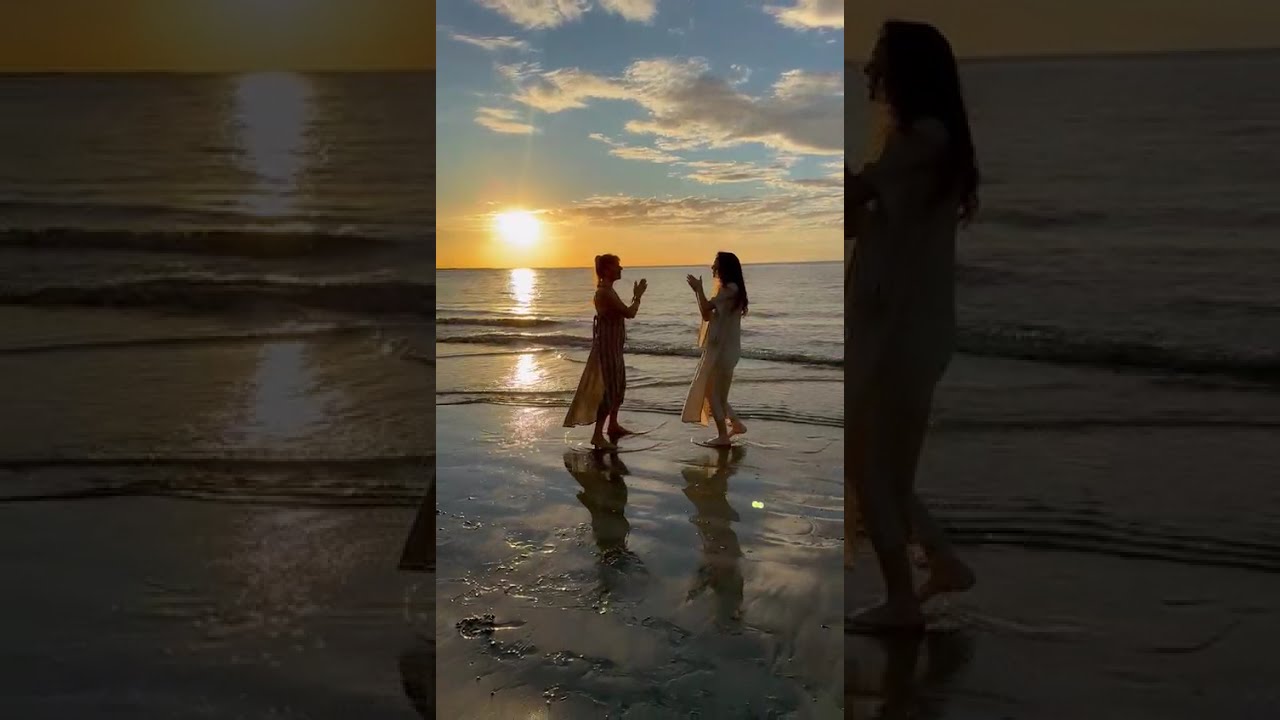
Har Mukanday is a Sanskrit kirtan—a rhythmic chant used in devotional practice—that invokes themes of divine liberation and spiritual freedom. The chant, featured in the music video from Mirabai Ceiba's album "Awakened Earth," repeats the mantra "Har Har Mukanday" as both a meditation on the liberating aspect of the Divine and a practice for clearing obstacles. The video pairs the vocalization with ecstatic dance, embodying the principle that spiritual practice engages the whole being—voice, body, and consciousness together.

Lettura · 8 sezioni

What does Har Mukanday mean in Sanskrit?

The mantra "Har Har Mukanday" draws from Sanskrit and Punjabi spiritual traditions. "Har" refers to the Divine or God, repeated to emphasize the sacred presence. "Mukanday" or "Mukanda" is derived from "moksha" or "mukti," meaning liberation, freedom, or release from suffering and the cycle of rebirth. Together, the phrase invokes divine liberation—calling upon the liberating power of the Divine to free the practitioner from bondage, limitation, and spiritual ignorance.

The repetition of "Har Har" acts as a rhythmic anchor, building vibrational momentum with each utterance. In Kundalini yoga and Sikh devotional traditions, the mantra serves not merely as words to be understood intellectually, but as frequencies to be embodied through sound vibration. The chant functions as both prayer and technology—a systematic approach to consciousness using the human voice as an instrument.

How is Har Mukanday used in kirtan practice?

Kirtan is a call-and-response form of chanting rooted in Hindu and Sikh traditions. A lead singer or group chants a phrase, and the community responds, creating a cyclical, meditative structure. In the video, Mirabai Ceiba's recording of "Har Mukanday" demonstrates this principle through extended repetition—the mantra repeats with rhythmic variation and melodic development, allowing the listener or practitioner to enter a focused state through sustained vocalization.

The practice works on several levels simultaneously:

  • Vibrational: The sound frequencies of Sanskrit mantras are believed to activate specific energy channels and chakras in the body.
  • Psychological: Repetitive chanting occupies the thinking mind, creating space for deeper awareness to emerge.
  • Devotional: The act of chanting becomes an offering, a way of directing attention and intention toward the divine principle the mantra represents.
  • Community: When sung in groups, kirtan creates a shared field of consciousness and collective spiritual intention.

Practitioners may chant "Har Har Mukanday" during meditation, in yoga classes, or as a standalone spiritual practice. The extended length of this recording—over nine minutes—supports extended meditation, allowing the mind to settle beyond conceptual thought into the pure resonance of sound.

What is the connection between dance and spiritual practice in the video?

The official music video features dancers Kathi von Koerber and Atsushi Takenouchi moving to the chant. This visualization embodies a key principle in many spiritual traditions: the body is not separate from consciousness. Rather than treating the physical form as an obstacle to transcendence, the video demonstrates that movement, when conscious and intentional, becomes a valid pathway for spiritual expression.

In Kundalini yoga and ecstatic dance practices, movement serves several functions. It can help release stored tension and emotion in the body, activate the subtle energy system, and allow practitioners to externalize internal spiritual states. The dancers' flowing, sometimes vigorous movements reflect the liberating quality of the mantra—Mukanday's call for freedom is not abstract but embodied, expressed through gesture and spatial motion.

This integration of sound and movement suggests that liberation is not achieved through mind alone, but through the coordinated engagement of breath, voice, body, and awareness. The video thus functions as a teaching: spiritual practice is holistic.

How does repetition function in mantra meditation?

The extended repetition in this recording—the mantra cycles through the entire nine-minute duration with subtle melodic and rhythmic variations—demonstrates the power of sustained vocalization. In mantra practice, repetition serves a specific function distinct from intellectual understanding.

When the thinking mind repeats a sound or phrase over an extended period, several neurological and phenomenological shifts occur. The analytical mind gradually quiets. The breath naturally synchronizes with the chant. The body's autonomic nervous system often shifts toward a parasympathetic state—the rest-and-restore mode associated with healing and deep meditation. Simultaneously, the practitioner may experience a heightened sense of presence or awareness beyond thought.

The choice of a short, potent phrase like "Har Har Mukanday" is deliberate. The brevity allows for easy memorization and allows practitioners of any linguistic background to participate fully, without needing to track complex lyrics. The meaning is encoded in the sound itself, accessible to anyone willing to sit with the vibration.

What tradition does Har Mukanday come from?

The mantra draws from both Hindu bhakti traditions and Sikh devotional practice. Bhakti yoga—the yoga of devotion—emphasizes the heart-centered relationship with the Divine, often expressed through chant, music, and ecstatic states. Sikhism, founded in Punjab in the 15th century, incorporates kirtan as a central spiritual practice, with mantras often drawn from Gurmukhi (the script of Sikh scriptures) and conveying direct teachings about divine consciousness and liberation.

"Mukanday" appears in Sikh spiritual texts and practices with consistent association to mukti—the ultimate goal of spiritual practice, freedom from ego-identification and karmic cycles. The integration of "Har" (the Divine presence) with "Mukanday" (liberation) reflects the core teaching: freedom is achieved not through individual effort alone, but through alignment with divine consciousness.

Mirabai Ceiba, as a contemporary kirtan artist, works within this lineage while making these teachings accessible to modern, global audiences. The production of "Awakened Earth," the album containing this track, positions ancient spiritual technology within a contemporary musical framework, allowing seekers from diverse backgrounds to access these practices.

Can anyone practice Har Mukanday regardless of belief system?

One of the strengths of mantra practice is its non-sectarian accessibility. A practitioner does not need to identify as Hindu, Sikh, or hold specific theological beliefs to benefit from chanting "Har Har Mukanday." The mantra functions on the principle that sound itself carries transformative potential, regardless of the practitioner's conceptual framework.

A secular practitioner might approach the chant as a tool for nervous system regulation and mental clarity. A theistic practitioner might experience it as direct communion with the Divine. A non-religious person seeking meditation might focus purely on the vibrational experience. All approaches are valid within the tradition, as the practice is understood to work on consciousness directly, meeting each person where they are.

This accessibility is reflected in the global reach of kirtan practice, which has grown substantially beyond its geographic and cultural origins. By recording and sharing this video with millions of viewers, Mirabai Ceiba participates in a modern democratization of these tools—making them available to anyone with curiosity, intention, and access to sound.

How should someone begin practicing with this mantra?

Starting a practice with "Har Mukanday" requires nothing more than willingness to sit, listen, and chant along. A beginner might:

  • Listen first: Play the recording and simply listen without trying to chant, allowing the vibration to work on the system.
  • Chant quietly: Begin chanting along softly, not worrying about matching the exact pitch or timing perfectly. The intention and effort matter more than technical precision.
  • Set duration: Establish a regular practice time—even 5 to 10 minutes daily can create noticeable shifts in mental clarity and emotional state.
  • Notice effects: Over time, practitioners often report deeper sleep, reduced anxiety, greater emotional resilience, and spontaneous experiences of peace or expanded awareness.
  • Join community: If possible, chanting with others in a kirtan circle amplifies the experience; the shared intention and collective energy create a more powerful field.

Unlike practices requiring years of study or equipment, kirtan demands only the human voice and sincere attention. The investment is minimal; the potential for subtle but meaningful transformation is significant.

Where to go from here

Interested in deepening your exploration of kirtan and Sanskrit mantra practice? Listen to the complete "Har Mukanday" recording in a quiet space, ideally for the full nine minutes, and notice what shifts in your awareness, body, or emotional state. Explore other recordings from Mirabai Ceiba's catalog, as each chant carries different qualities and intentions. If you feel drawn to community practice, seek out kirtan circles in your area or online—many yoga studios, spiritual centers, and musician collectives offer regular kirtan gatherings. For a theoretical understanding of the tradition, investigate texts on bhakti yoga, the role of mantra in Kundalini practice, and Sikh teachings on kirtan. Most importantly, trust the practice itself: the transformation it offers does not depend on intellectual mastery of Sanskrit or spiritual concepts, but on consistent, sincere engagement with the vibration.

Transcript

[0:02] [संगीत]

[0:17] हा

[0:19] [संगीत]

[0:36] हर हर

[0:40] [संगीत]

[0:44] मुकंदे हर हर

[0:51] [संगीत]

[0:53] मुकंदे हर हर मुकंदे

[1:01] [संगीत]

[1:03] हर हर

[1:11] कंद हर हर

[1:20] मुकंदे हर हर मुक

[1:30] हर हर

[1:35] [संगीत]

[1:38] मुकंदे हर हर

[1:42] [संगीत]

[1:44] [हंसी]

[1:47] मुकंदे हर हर

[1:52] [संगीत]

[1:56] मुकंदे हरण हर मुका

[2:01] [प्रशंसा]

[2:05] वंदे हर हर

[2:14] मुकंदे हर हर

[2:18] [संगीत]

[2:23] मुकंदे हर हर मुकंदे

[2:30] हर

[2:32] मुकंदे हर हर

[2:36] मुकंदे हर हर

[2:41] मुकंदे हर हर

[2:46] मुकंदे हर हर

[2:50] मुकंदे हर हर

[2:54] मुकंद ह ह मुकंदे

[3:00] हर हर

[3:03] मुकंदे हर हर

[3:08] मुकंदे हर हर

[3:12] मुकंदे हर हर

[3:17] मुकंदे हर हर

[3:21] मुकंदे हर हर

[3:26] मुकंदे हर हर मुकंद

[3:30] मु हर हर

[3:35] मुकंदे हर हर

[3:39] मुकंदे हर हर

[3:44] मुकंदे हर हर

[3:48] मुकंदे हर हर

[3:53] मुकंदे हर हर

[3:57] मुकंदे हर हर

[4:02] मुकंदे हर हर

[4:06] मुकंदे हर हर मुकान दे

[4:15] [संगीत]

[4:39] [संगीत]

[4:48] टे फम मी व आई वां

[4:51] [संगीत]

[5:05] [संगीत]

[5:07] i

[5:10] [संगीत]

[5:22] [संगीत]

[5:26] [प्रशंसा]

[5:27] [संगीत]

[5:32] [संगीत]

[5:38] [संगीत]

[5:44] [संगीत]

[5:59] takeshi's हर हर

[6:03] मुकंदे हर हर

[6:07] मुकंदे हर हर

[6:12] मुकंदे हर हर

[6:16] मुकंदे हर हर

[6:21] मुकंदे हर हर

[6:25] मुकंदे हर हर मुकंद

[6:31] हर हर

[6:34] मुकंद टेक फ्रॉम

[6:37] मी

[6:39] [संगीत]

[6:43] एवरीथिंग ट टेक्स मी फ्रॉम

[6:52] यू फ मी विथ योर लव

[7:03] लिरेट माय

[7:07] सोल

[7:08] [संगीत]

[7:10] आ हर हर मुकाम

[7:16] दे हर

[7:19] मुकंदे हर हर

[7:24] मुकंदे हर हर

[7:28] मुका हर

[7:30] हर

[7:32] मुकाम दे हर हर मुकाम दे हर हर

[7:42] मुकाम हर हर

[7:46] मुकाम हर हर मु

[7:55] कमे हर हर मुकाम

[8:05] हर हर मुकाम

[8:13] दे हर हर

[8:17] [संगीत]

[8:22] मुकाम हर हर मुकाम दे

[8:32] हर हर

[8:40] मुका हर हर मुकंदे

[8:46] [संगीत]

Mirabai Ceiba
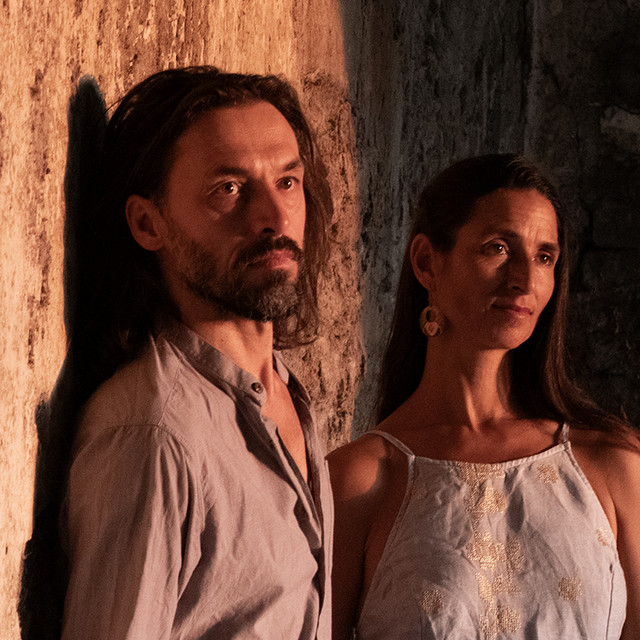
AutoreMirabai Ceiba

The music of Mirabai Ceiba draws the listener into a gossamer web of gently plucked strings, stately piano arpeggios, subtle vocal interplay and poetic lyricism. The sound is easy…

Vedi il profiloSito web
Esplora i temi
Kirtan-chantingSanskrit-mantraLiberation-mokshaDevotional-musicSound-healing

Hai domande?

Domande frequenti

Har Mukanday is a Sanskrit mantra where "Har" refers to the Divine, and "Mukanday" or "Mukanda" derives from "mukti," meaning liberation or freedom. The combined phrase invokes divine liberation from suffering, bondage, and ego-identification, commonly used in kirtan chanting and Kundalini yoga.
Begin by listening to the recording in a quiet space, then chant along softly without worrying about perfect pitch or timing. Practice for 5-10 minutes daily; the mantra works through sustained vocalization and intention rather than technical perfection. Consistency matters more than duration initially.
Kirtan is a call-and-response devotional chanting practice that emphasizes spiritual intention, mantra repetition, and community participation, whereas singing typically focuses on musical expression and entertainment. Kirtan uses sound as a spiritual technology to shift consciousness and invoke divine presence.
Yes. Mantra practice is non-sectarian and functions through sound vibration regardless of the practitioner's beliefs or background. A secular person can use it for meditation and nervous system regulation, while a spiritual person may experience it as communion with the Divine—both approaches are valid.
Regular mantra chanting can reduce anxiety, improve sleep quality, enhance emotional resilience, increase mental clarity, and create spontaneous experiences of peace or expanded awareness. The repetitive sound naturally calms the thinking mind and shifts the nervous system toward parasympathetic (rest-and-restore) functioning.
Sanskrit mantras are believed to activate specific energy channels and chakras in the body. At a neurological level, sustained chanting synchronizes breath and activates parasympathetic nervous system response, promoting relaxation, healing, and states of deeper awareness beyond ordinary thought.
Repetition allows the analytical mind to settle, enabling a shift from conceptual thinking to direct vibrational experience. Over extended cycles, the mind naturally quiets and the practitioner may experience heightened presence and access to states of consciousness beyond thought.

Continua a leggere

More from Mirabai

Vedi Tutto
Night Wind: A Sacred Song Born in Finnish Silence
Featured

Night Wind: A Sacred Song Born in Finnish Silence

Mirabai Ceiba's "Night Wind" emerged from a secluded Finnish cabin during the white nights—a meditation on wind, longing, and the songs natu…

1 min read
Lady of the Well: Grief Transformed Into Song and Remembrance
Featured

Lady of the Well: Grief Transformed Into Song and Remembrance

A musical tribute to friendship and loss, where two singers channel grief into transformation, guided by the metaphor of water and wind conn…

1 min read
Yemaya Reimagined: Ocean Goddess Chant Unites Voices
Featured

Yemaya Reimagined: Ocean Goddess Chant Unites Voices

A new duet celebrating the Yoruba ocean goddess brings together two voices in a healing chant born from serendipitous meeting in Costa Rica.…

1 min read
Ocean Goddess Rising: Two Voices Reimagine Yemaya
Featured

Ocean Goddess Rising: Two Voices Reimagine Yemaya

Deva Premal and Ajeet unite in a devotional collaboration honoring Yemaya, the Yoruba ocean goddess, recorded in Costa Rica with arbutar acc…

1 min read

Continua a esplorare

Continua il tuo viaggio

Altra saggezza e altri incontri da tutta la directory BrightStar.

Altri articoli

Sfoglia l’intera raccolta di insegnamenti, interviste e guide.

Torna a tutti gli articoli →

Insegnanti e artisti

Esplora i lignaggi, i musicisti e le guide del mondo consapevole.

Esplora gli artisti →

Trova un evento

Kirtan, ritiri, sound bath, breathwork, festival: in arrivo presto.

Sfoglia gli eventi →