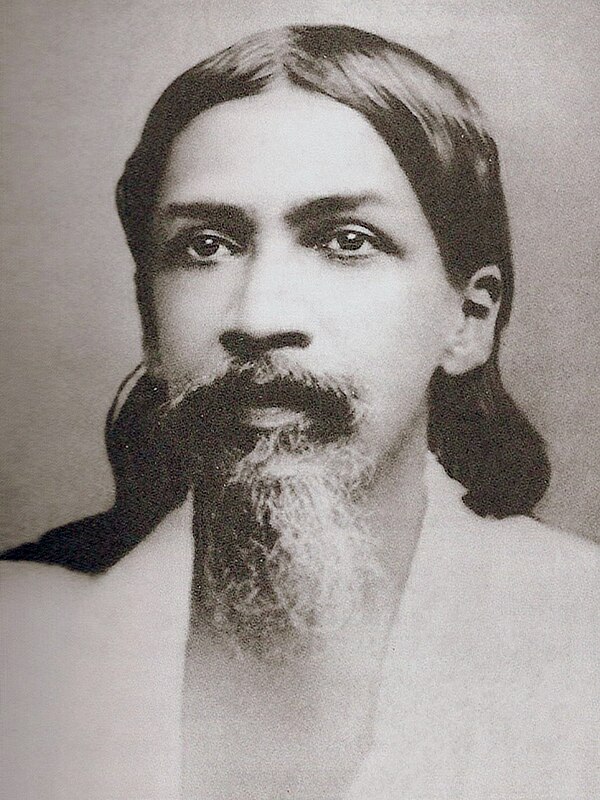
Seeing Through the Lens of Being
The quote "What we are determines what we see" by Sri Aurobindo invites us to reflect on the profound connection between our inner state and our perception of the world. It suggests that our understanding and interpretation of reality are not merely passive observations but are deeply influenced by our own essence and consciousness. This insight is crucial, as it underscores the importance of self-awareness and personal growth in shaping our experiences and interactions with the world around us.
In a world often clouded by external distractions and societal conditioning, Aurobindo's words serve as a reminder that the journey toward clarity begins within. Our perceptions are colored by our beliefs, emotions, and past experiences, which can either limit or expand our understanding. By recognizing that our inner landscape shapes our outer vision, we are encouraged to embark on a path of self-discovery and transformation, ultimately leading to a more authentic and enriched experience of life.
The image / the metaphor
At first glance, the quote presents a straightforward relationship between being and perception, yet it is rich with imagery and nuance. The verb "determines" implies a decisive influence, suggesting that our essence acts as a lens through which we interpret the world. This lens can either distort or clarify our vision, depending on the quality of our inner state. The imagery evokes a sense of responsibility; we are not mere observers but active participants in shaping our reality through our consciousness.
Diving deeper into this metaphor, we can envision our inner selves as a prism, refracting the light of experience into a spectrum of understanding. Each facet of our being—our thoughts, emotions, and beliefs—plays a role in how we perceive the world. When we cultivate a harmonious and expansive inner life, we begin to see beauty, connection, and possibility where others may see chaos or limitation. Thus, the metaphor of perception as a lens becomes a call to refine our inner selves to enhance our outer vision.
In the speaker's tradition
Sri Aurobindo's insights are deeply rooted in the Hindu tradition, where concepts such as dharma and self-realization play pivotal roles. The notion that our perception is shaped by our inner state aligns with the idea of *sattva*, the quality of purity and harmony in one's being. In this context, the journey toward self-awareness and spiritual growth is not merely a personal endeavor but a collective one, as our individual transformations contribute to the greater tapestry of existence. This interconnectedness echoes the teachings of *bhakti*, or devotion, where the purity of one's heart influences their perception of the divine.
Moreover, Aurobindo's philosophy resonates with the concept of *kenosis*, the self-emptying that allows for a deeper connection with the universal consciousness. In his work, he emphasizes the importance of transcending the ego to access a higher state of being. This aligns with the teachings found in the *Bhagavad Gita*, where Krishna instructs Arjuna on the importance of selfless action and the realization of one's true nature. Both texts highlight the transformative power of understanding oneself as part of a larger whole, reinforcing the idea that our perception is intrinsically linked to our spiritual evolution.
Living the teaching
Consider a modern scenario where this teaching can be applied: a workplace filled with stress and competition. An employee, burdened by self-doubt and fear of inadequacy, perceives their colleagues as threats rather than allies. This perception not only affects their interactions but also their overall job satisfaction and performance. However, if this individual were to engage in self-reflection and cultivate a sense of self-worth, their perception would shift. They might begin to see their colleagues as collaborators, fostering a more supportive and productive work environment.
In the realm of relationships, the teaching can manifest in moments of conflict. When two partners are entrenched in their grievances, their perception of each other becomes clouded by resentment and misunderstanding. However, if they take the time to explore their own feelings and motivations, they may uncover deeper truths about themselves and each other. This self-awareness can lead to a renewed perspective, allowing them to approach their relationship with empathy and compassion, ultimately transforming their interactions into opportunities for growth and connection.
A reflection
As we contemplate Aurobindo's profound assertion, we are invited to ask ourselves: "How does my current state of being influence my perception of the world around me?" This question encourages us to engage in a process of introspection, examining the beliefs and emotions that shape our experiences. By recognizing the interplay between our inner and outer worlds, we can embark on a journey of transformation, cultivating a deeper understanding of ourselves and the reality we inhabit.