The Glory of Surrender: Becoming an Instrument of the Divine
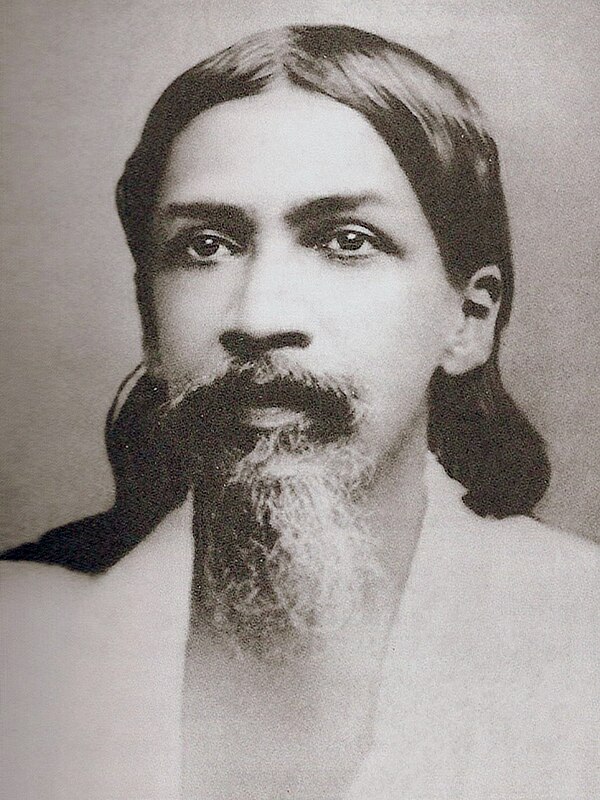
In the words of Sri Aurobindo, "There is no greater pride and glory than to be a perfect instrument of the Master." This profound statement invites us to reflect on the essence of service and surrender within our spiritual journeys. It suggests that true fulfillment and honor lie not in personal achievements or accolades but in our ability to align ourselves with a higher purpose, becoming conduits for divine will. Understanding this concept can transform our approach to life, urging us to seek a deeper connection with the divine and to serve others selflessly.
To be a "perfect instrument" implies a state of readiness and openness, where one's ego and personal desires are set aside in favor of a greater calling. This notion challenges the conventional understanding of pride, which often centers on individual accomplishments. Instead, Aurobindo redefines glory as the ability to transcend the self and act in harmony with a higher power. This perspective is not merely theoretical; it is a practical guide for living a life imbued with purpose and meaning, urging us to cultivate humility and devotion in our daily actions.
The image / the metaphor
The imagery in Aurobindo's quote evokes a sense of musicality, where the "Master" symbolizes a divine composer, and we, as instruments, are called to play our part in the grand symphony of existence. The verbs "to be" and "to serve" suggest a passive yet active role, where one must surrender to the divine while simultaneously engaging in the world. This duality captures the essence of spiritual practice: the balance between action and surrender, between individuality and universality.
Diving deeper into this metaphor, we can envision ourselves as instruments finely tuned to resonate with the vibrations of the universe. Just as a violinist must practice diligently to master their craft, we too must engage in self-reflection and spiritual discipline to align ourselves with the divine will. The notion of being an instrument also implies a sense of fragility and impermanence; instruments can be broken or out of tune, reminding us that our journey requires continuous effort and adjustment to remain attuned to the higher frequencies of existence.
In the speaker's tradition
Within the context of Hindu philosophy, Aurobindo's teaching resonates deeply with concepts such as bhakti, or devotion, and dharma, the moral order of the universe. Bhakti emphasizes surrendering to the divine will, fostering a relationship characterized by love and trust. This aligns with the idea of becoming an instrument, as true devotion requires us to let go of our ego and allow the divine to guide our actions. Dharma, on the other hand, calls us to fulfill our responsibilities in the world, suggesting that our service to others is a manifestation of our alignment with the cosmic order.
Aurobindo's thoughts can also be compared to the concept of kenosis found in Christian mysticism, which speaks to the self-emptying of one's will to make space for divine presence. In his "Letters on Yoga," Aurobindo discusses the necessity of surrendering the ego to experience a deeper connection with the divine. This theme echoes throughout spiritual traditions, emphasizing that true fulfillment arises not from self-assertion but from self-surrender, allowing us to become vessels for a greater purpose.
Living the teaching
Consider a modern scenario where this teaching can be applied: a workplace environment where collaboration is essential. Imagine a team project where individual egos clash, leading to tension and conflict. By embodying the principle of being an instrument of the Master, team members can set aside their personal ambitions and focus on the collective goal. This shift in perspective fosters a spirit of cooperation, allowing creativity and innovation to flourish, ultimately leading to a successful outcome that benefits everyone involved.
Another application of this teaching can be found in personal relationships, particularly during challenging moments. When faced with conflict or misunderstanding, one might feel compelled to assert their viewpoint or defend their position. However, by embracing the idea of being an instrument of the divine, individuals can approach the situation with humility and compassion. This allows for open communication and understanding, transforming potential discord into an opportunity for growth and deeper connection.
A reflection
As we contemplate Aurobindo's profound words, we are invited to explore the nature of our own lives. Are we living as instruments of a higher purpose, or are we caught in the web of our own desires and ambitions? In what ways can we cultivate a spirit of surrender and service in our daily lives? Reflecting on these questions can guide us toward a more meaningful existence, reminding us that true glory lies not in personal accolades but in our ability to serve the greater good.