Embracing Mortality: The Path to True Freedom
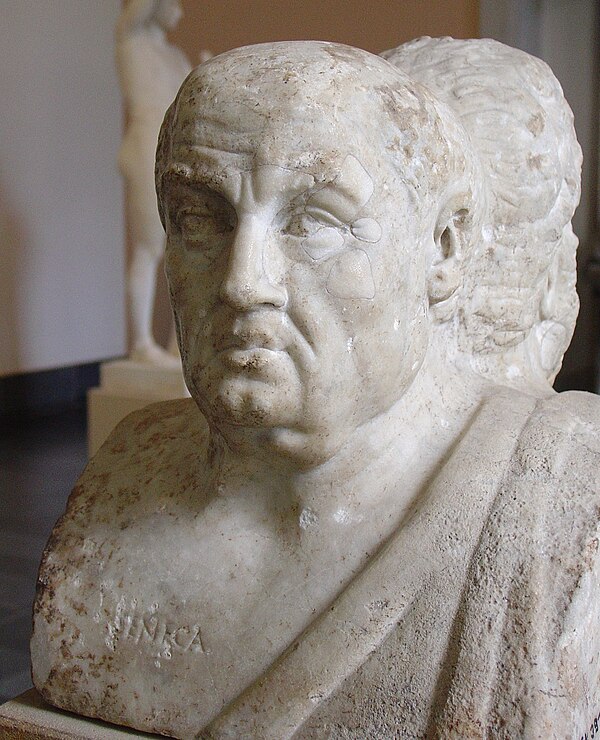
In the words of Seneca, "He who has learnt how to die has learnt how to be a slave no more." This profound statement invites us to confront the reality of our mortality, suggesting that true liberation comes from understanding and accepting death. By mastering the fear of our own end, we can break free from the shackles of societal expectations, material desires, and the anxieties that bind us. This exploration of death is not merely an intellectual exercise; it is a transformative journey that can lead to a more authentic and liberated existence.
Seneca's assertion challenges us to reconsider our relationship with life and death. In a culture that often shies away from discussions of mortality, his words serve as a clarion call to embrace the inevitability of our demise. By learning to die, we cultivate a sense of urgency and clarity, prompting us to live more fully in the present moment. This understanding empowers us to transcend the limitations imposed by fear, allowing us to engage with life in a more meaningful and liberated way.
The image / the metaphor
The imagery in Seneca's quote evokes a powerful sense of transformation. To "learn how to die" suggests a process of deep introspection and acceptance, where one confronts the ultimate truth of existence. The verbs "learnt" and "learnt" imply an active engagement with this knowledge, emphasizing that it is not merely a passive realization but a skill to be cultivated. The metaphor of slavery speaks to the constraints we often impose upon ourselves, shackled by fear, societal norms, and the relentless pursuit of external validation.
In the speaker's tradition
Seneca's teachings are deeply rooted in Stoicism, a philosophical tradition that emphasizes the importance of virtue, reason, and acceptance of the natural order of the universe. Central to Stoic thought is the concept of 'apatheia,' or freedom from passion, which aligns closely with the idea of mastering one's fear of death. This mastery allows individuals to navigate life's challenges with equanimity, recognizing that external circumstances do not dictate their inner peace. In this sense, learning to die becomes a pathway to achieving a state of inner freedom and tranquility.
Moreover, Seneca's insights resonate with concepts found in other spiritual traditions, such as 'kenosis' in Christian mysticism, which speaks to the self-emptying necessary for spiritual growth. Similarly, the Buddhist notion of 'sunyata' or emptiness invites practitioners to let go of attachments and desires, ultimately leading to liberation. In both cases, the acceptance of impermanence and the relinquishment of control are essential for achieving a deeper understanding of existence and freedom.
Living the teaching
Consider a modern scenario where this teaching might resonate: a professional facing the fear of failure in their career. The anxiety surrounding job security and the relentless pursuit of success can feel like a form of slavery, binding one to a cycle of stress and dissatisfaction. By embracing the reality of impermanence and the inevitability of change, this individual can shift their perspective. Instead of viewing their job as a measure of self-worth, they can approach their work with a sense of purpose and authenticity, liberated from the fear of failure.
In relationships, the teaching of Seneca can also find profound application. Imagine a person grappling with the fear of losing a loved one, which can lead to clinginess or resentment. By learning to accept the transient nature of life and love, they can cultivate a deeper appreciation for the present moment. This acceptance fosters healthier connections, allowing individuals to engage with their loved ones more fully, free from the burdens of fear and attachment. In both scenarios, the mastery of death becomes a powerful tool for living more freely and authentically.
A reflection
As we contemplate Seneca's profound words, we are invited to reflect on our own relationship with mortality. How does the fear of death shape our choices and actions in daily life? In what ways might embracing our impermanence lead us to a greater sense of freedom? These questions encourage us to delve deeper into our understanding of life, prompting us to live with intention and authenticity, liberated from the constraints that often bind us.