The Freedom Found in Letting Go
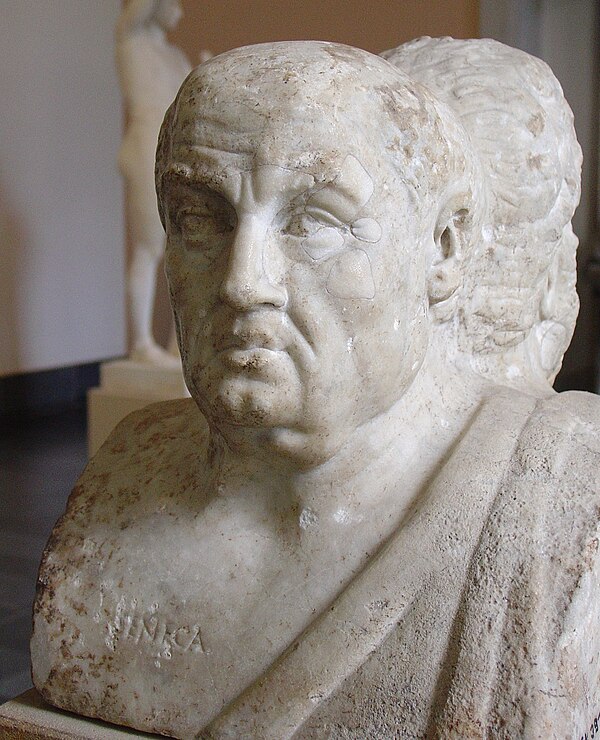
In the profound words of Seneca, "Cease to hope, and you will cease to fear." This statement invites us to consider the intricate relationship between hope and fear, suggesting that our attachments to future outcomes can often be the source of our anxieties. By relinquishing our hopes, we may find a pathway to liberation, freeing ourselves from the burdens of expectation and the fears that accompany them. This exploration is not merely philosophical; it holds the potential to transform our lived experience, allowing us to engage with the present moment more fully.
Seneca's assertion challenges us to reflect on the nature of our desires and the fears that arise when those desires are threatened. In a world that often equates hope with optimism and fear with negativity, this Stoic perspective offers a radical reorientation. It compels us to examine how our hopes can tether us to a future that may never materialize, leading to a cycle of disappointment and anxiety. By understanding the interplay of these emotions, we can cultivate a deeper sense of freedom and presence in our lives.
The image / the metaphor
At its core, Seneca's quote evokes a striking image of release. The verbs "cease" and "hope" suggest an active choice, a deliberate act of letting go. This imagery conjures a sense of liberation, as if one is shedding a heavy cloak that has long constrained movement. The felt sense of this act is one of lightness, a shedding of burdens that allows for a more authentic engagement with the world. In this way, the quote serves as a powerful reminder that our emotional states are often within our control, shaped by our choices and perceptions.
In the speaker's tradition
Seneca's wisdom is deeply rooted in the Stoic tradition, which emphasizes the importance of inner peace and resilience in the face of external circumstances. Central to Stoicism is the concept of *apatheia*, or the state of being free from emotional disturbance. This aligns with the idea of letting go of hope, as it encourages individuals to detach from the outcomes of their desires. In this way, Stoicism invites us to cultivate a sense of equanimity, where our emotional well-being is not contingent upon external validation or future aspirations.
Furthermore, this teaching resonates with the Buddhist concept of *sunyata*, or emptiness, which suggests that clinging to desires leads to suffering. Just as Seneca urges us to release our hopes, Buddhist philosophy encourages practitioners to recognize the transient nature of all things. In both traditions, the path to freedom lies in relinquishing attachments—whether to hopes, fears, or desires—allowing us to engage with the present moment with clarity and compassion. Seneca's letters serve as a timeless reminder that the cultivation of inner peace is a universal pursuit.
Living the teaching
Consider a modern scenario where this teaching might resonate: a job seeker anxiously awaiting responses from potential employers. Each day spent in anticipation can be fraught with fear—fear of rejection, fear of inadequacy, and fear of an uncertain future. By applying Seneca's wisdom, the individual might choose to cease hoping for specific outcomes, instead focusing on the present moment. This shift allows for a more grounded approach, where the individual can engage in the job search process with a sense of agency, rather than being paralyzed by fear.
In the context of relationships, this teaching can also be transformative. Imagine a person who hopes for their partner to change in certain ways, leading to frustration and disappointment when those hopes are not realized. By letting go of these expectations, the individual can cultivate acceptance and appreciation for their partner as they are. This practice of relinquishing hope fosters deeper connections, allowing love to flourish without the constraints of fear and unmet desires. In both scenarios, the act of ceasing to hope opens the door to a more authentic and fulfilling experience of life.
A reflection
As we contemplate Seneca's profound insight, we are invited to ask ourselves: What hopes am I clinging to that may be causing me fear or anxiety? This question encourages a deep introspection, prompting us to identify the attachments that may be hindering our peace of mind. By exploring this inquiry, we can begin to discern the ways in which our hopes and fears shape our experiences, ultimately guiding us toward a more liberated and present existence.