The Ocean and the Wave: A Dance of Unity
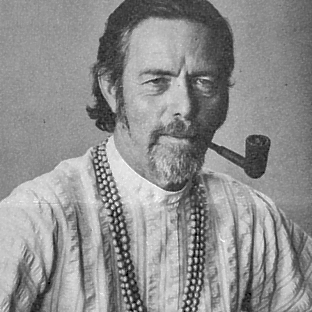
In the profound words of Alan Watts, "You are something the whole universe is doing in the same way that a wave is something that the whole ocean is doing." This statement invites us to reconsider our individual existence as an integral part of a greater whole. It challenges the notion of separateness, urging us to recognize that our lives are not isolated events but rather expressions of a vast, interconnected cosmos. Understanding this perspective can transform our relationship with ourselves and the world around us, fostering a sense of belonging and purpose.
Watts's metaphor of the wave and the ocean serves as a powerful reminder of the unity that underlies all existence. It suggests that just as a wave rises and falls within the ocean, so too do we emerge from the universe, shaped by its currents and tides. This realization can be both liberating and daunting, as it compels us to confront the illusion of individuality while simultaneously embracing our role in the grand tapestry of life. By exploring this quote, we delve into the depths of our interconnectedness and the spiritual implications of recognizing ourselves as part of a larger whole.
The image / the metaphor
The imagery of a wave and the ocean is rich and evocative, encapsulating the essence of our existence. A wave, while distinct in its form and movement, is ultimately inseparable from the ocean that gives it life. The verbs chosen—"doing"—imply an active participation in the unfolding of existence, suggesting that we are not merely passive observers but dynamic participants in the cosmic dance. This felt sense of movement evokes a rhythm that resonates with the natural world, reminding us that our lives are fluid and ever-changing, much like the waves that rise and fall upon the shore.
Diving deeper into the metaphor, we can see that the wave represents our individual identities, shaped by our experiences, thoughts, and emotions. Yet, it is essential to recognize that this identity is not fixed; it is a transient manifestation of the ocean's vastness. The wave's existence is dependent on the ocean, just as our lives are interwoven with the fabric of the universe. This understanding encourages us to let go of rigid self-conceptions and embrace the fluidity of our being, allowing us to flow with the currents of life rather than resist them.
In the speaker's tradition
Alan Watts, a prominent figure in the popularization of Eastern philosophy in the West, draws heavily from Zen Buddhism and its teachings on unity and interconnectedness. Concepts such as *sunyata* (emptiness) and *fana* (annihilation of the self) resonate deeply with the idea that our individual existence is a manifestation of a greater reality. In Zen, the understanding of self as an illusion invites practitioners to experience life beyond the confines of ego, recognizing that we are all expressions of the same universal energy. This perspective aligns with Watts's assertion that we are not separate entities but rather integral parts of a larger whole.
In his work, Watts often references the *Tao Te Ching*, a foundational text of Taoism that emphasizes the interconnectedness of all things. The text speaks of the *Tao*, or the Way, as the underlying principle that flows through everything, much like the ocean supports the waves. By acknowledging this interconnectedness, we can cultivate a sense of harmony with the world around us, fostering compassion and understanding. Watts's teachings encourage us to embrace this unity, inviting us to see ourselves not as isolated beings but as vital components of the cosmic dance.
Living the teaching
Consider a modern scenario in which this teaching can be applied: a bustling city street filled with people rushing to their destinations. In this environment, it is easy to feel lost in the crowd, perceiving oneself as just another face in the multitude. However, when we reflect on Watts's words, we can recognize that each individual is a wave, contributing to the collective experience of the ocean. By embracing this perspective, we can cultivate a sense of connection with those around us, fostering empathy and understanding in our interactions, even amidst the chaos of urban life.
Another application of this teaching can be found in our relationships. In moments of conflict or misunderstanding, it is common to feel isolated and defensive, as if we are separate entities battling against one another. Yet, by recalling the metaphor of the wave and the ocean, we can shift our perspective to see our shared humanity. This recognition allows us to approach conflicts with compassion, understanding that our differences are merely expressions of the same underlying reality. By embodying this unity, we can foster deeper connections and navigate challenges with grace and understanding.
A reflection
As we contemplate the profound implications of Watts's quote, we are invited to ask ourselves: How can I embrace my role as a wave within the ocean of existence? This question encourages us to reflect on our interconnectedness and the ways in which we contribute to the greater whole. By exploring this inquiry, we can deepen our understanding of ourselves and our place in the universe, ultimately leading to a more harmonious and fulfilling existence.



Join the BrightStar Community
Stay connected with daily inspiration, event announcements, and community wisdom