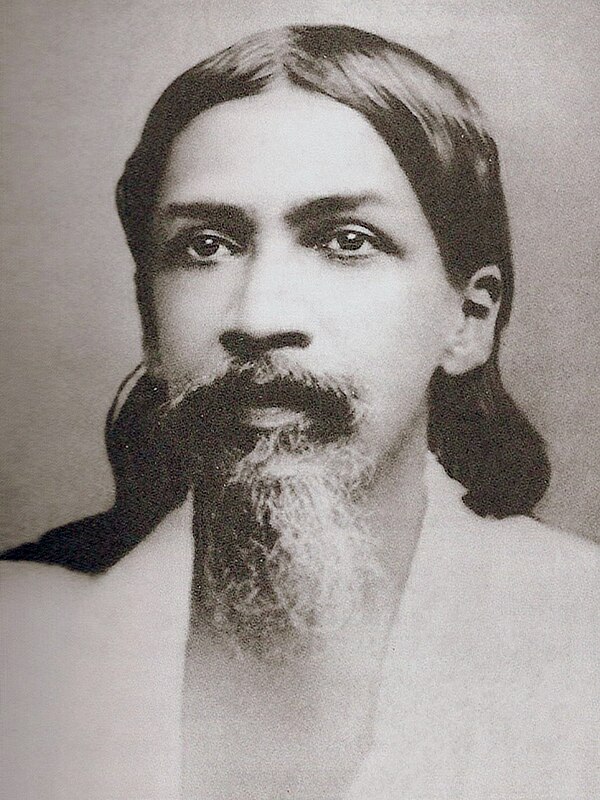
The Uncharted Depths of Existence
Sri Aurobindo's assertion that "There must always be in life what one does not know" invites us to embrace the inherent mystery of our existence. This statement serves as a reminder that life is not merely a series of known quantities or predictable outcomes; rather, it is a vast ocean of uncertainty and potential. Acknowledging this unknown aspect can cultivate humility, allowing us to navigate our lives with a sense of wonder and openness. In a world that often prioritizes certainty and control, Aurobindo's words challenge us to reconsider our relationship with the unknown.
Delving deeper, we find that this quote speaks to the essence of human experience and the spiritual journey. The unknown is not merely a void to be feared; it is a fertile ground for growth, creativity, and transformation. By recognizing that there will always be aspects of life beyond our comprehension, we open ourselves to the possibility of learning, evolving, and connecting with something greater than ourselves. This perspective invites us to cultivate a sense of curiosity and reverence for the mysteries that life presents, ultimately enriching our spiritual path.
The image / the metaphor
At its core, Aurobindo's quote evokes a vivid imagery of life as a vast landscape filled with both familiar paths and uncharted territories. The phrase "what one does not know" suggests a realm that is not only outside our current understanding but also teeming with potential discoveries. The verbs chosen—"must always be"—imply a necessity, a fundamental truth of existence that cannot be ignored. This creates a felt sense of both inevitability and invitation, urging us to confront the unknown rather than shy away from it.
Diving deeper into the metaphor, we can view the unknown as a canvas upon which the colors of our experiences are painted. Each encounter with the unfamiliar adds depth and richness to our lives, much like an artist who embraces spontaneity in their work. The unknown is not simply a gap in knowledge; it is a dynamic force that shapes our identity and purpose. By engaging with this mystery, we become co-creators of our own narratives, allowing the unfolding of life to guide us toward deeper truths.
In the speaker's tradition
Within the framework of Hindu philosophy, Aurobindo's insights resonate with several key concepts, including dharma, the moral order of the universe, and prajna, the wisdom that arises from understanding the limits of our knowledge. The acceptance of the unknown aligns with the notion of kenosis, or self-emptying, which encourages individuals to relinquish their preconceived notions and embrace a state of openness. This humility before the vastness of existence is a vital aspect of spiritual growth, allowing us to align ourselves with the divine flow of life.
Moreover, Aurobindo's perspective can be enriched by the Buddhist concept of sunyata, or emptiness, which emphasizes the transient and impermanent nature of all things. Just as sunyata invites practitioners to let go of attachments to fixed identities and beliefs, Aurobindo's call to acknowledge the unknown encourages us to remain fluid and adaptable in our understanding of life. In his work, "Letters on Yoga," Aurobindo elaborates on the transformative power of surrendering to the unknown, suggesting that it is through this surrender that we can truly connect with the divine essence within ourselves and the universe.
Living the teaching
Consider a modern scenario where this teaching can be applied: a professional facing a significant career change. The uncertainty of leaving a familiar job for an unknown opportunity can be daunting. However, by embracing the unknown, the individual can cultivate a sense of curiosity and openness, allowing them to explore new possibilities without the burden of fear. This approach not only alleviates anxiety but also fosters resilience, enabling them to adapt and thrive in an ever-changing landscape.
In the realm of relationships, Aurobindo's teaching can manifest during moments of conflict or misunderstanding. When faced with a disagreement, one might instinctively cling to their perspective, believing they possess the full truth. However, by acknowledging that there is always more to learn and understand, both parties can approach the situation with humility and a willingness to listen. This shift in mindset can transform the interaction, fostering deeper connection and empathy, ultimately enriching the relationship.
A reflection
As we contemplate Aurobindo's profound statement, we are invited to reflect on our own lives: What aspects of your existence remain shrouded in mystery? How might embracing the unknown lead to personal growth and deeper connections with others? By engaging with these questions, we can cultivate a sense of wonder and humility, allowing the mysteries of life to guide us on our spiritual journey.






Join the BrightStar Community
Stay connected with daily inspiration, event announcements, and community wisdom