The Inescapable Nature of Suffering
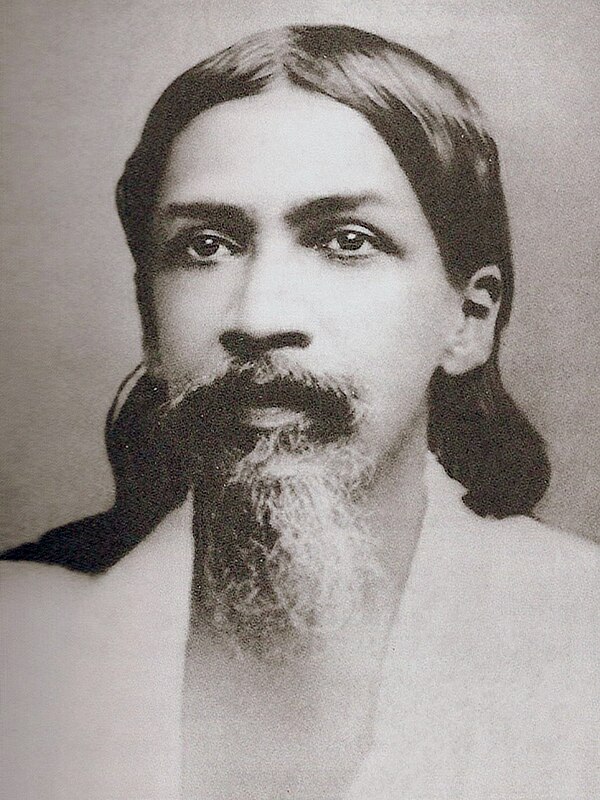
Sri Aurobindo's assertion that "never has even the inferior nature been able to escape suffering, even when it was satisfying its desires" invites us to confront a profound truth about the human condition. In essence, he suggests that no matter how much we pursue our desires or seek gratification, suffering remains an intrinsic part of our existence. This statement resonates deeply in a world where the pursuit of happiness often leads to disillusionment, prompting us to reflect on the nature of our desires and the suffering they may inadvertently cause.
As we delve deeper into Aurobindo's insight, we recognize that suffering is not merely an external phenomenon but a fundamental aspect of our inner landscape. The "inferior nature" he refers to can be understood as the lower aspects of our being—those driven by ego, attachment, and transient pleasures. Aurobindo's words compel us to examine the relationship between our desires and the inevitable suffering that accompanies them, urging us to seek a higher understanding of fulfillment that transcends mere satisfaction.
The image / the metaphor
The imagery in Aurobindo's quote evokes a sense of entrapment within the cycle of desire and suffering. The phrase "inferior nature" conjures the idea of a lower self, one that is often caught in the relentless pursuit of fleeting pleasures. The verb "escape" suggests an active struggle against an inescapable reality, highlighting the futility of seeking lasting happiness through superficial means. This metaphor paints a vivid picture of the human experience, where the chase for satisfaction often leads us deeper into the labyrinth of suffering.
Diving deeper into the metaphor, we can see that Aurobindo is not merely lamenting the plight of the inferior nature but is also offering a pathway toward liberation. The acknowledgment of suffering serves as a catalyst for spiritual awakening. By recognizing that our desires can lead to suffering, we are invited to transcend this inferior nature and seek a higher state of being—one that is rooted in wisdom and understanding rather than mere gratification. This journey from the inferior to the superior self is a central theme in Aurobindo's philosophy, urging us to cultivate a deeper awareness of our true nature.
In the speaker's tradition
Within the context of Hindu philosophy, Aurobindo's insights resonate with the concepts of dharma and the pursuit of higher knowledge. Dharma, often understood as one's righteous duty, encourages individuals to align their actions with a greater purpose, transcending the ego-driven desires that lead to suffering. Aurobindo's emphasis on the inferior nature reflects the teachings found in texts like the Bhagavad Gita, where the struggle between the higher and lower selves is a central theme. The Gita teaches that true fulfillment comes not from the pursuit of personal desires but from aligning oneself with the divine will.
Moreover, Aurobindo's perspective can be compared to the Buddhist concept of sunyata, or emptiness, which teaches that attachment to desires leads to suffering. Just as Aurobindo highlights the futility of seeking satisfaction through the inferior nature, Buddhism emphasizes the importance of recognizing the transient nature of all things. Both traditions invite seekers to cultivate a deeper understanding of their inner selves, moving beyond the superficial layers of existence to discover a more profound sense of peace and fulfillment.
Living the teaching
Consider a modern scenario where this teaching finds relevance: a person striving for success in their career. They may chase promotions, accolades, and financial rewards, believing that these achievements will bring them happiness. However, as they attain these desires, they often find themselves feeling unfulfilled, experiencing stress and anxiety instead of joy. This situation exemplifies Aurobindo's assertion that even when one satisfies their desires, suffering persists, highlighting the need for a deeper understanding of what truly brings fulfillment.
In the realm of relationships, Aurobindo's teaching can also be applied. Imagine a couple caught in a cycle of conflict, each partner seeking to fulfill their own desires without considering the other's needs. This dynamic often leads to misunderstandings and emotional pain, illustrating how the pursuit of individual satisfaction can result in collective suffering. By recognizing the limitations of their inferior natures, both partners can begin to cultivate empathy and understanding, moving toward a more harmonious connection that transcends mere desire.
A reflection
As we contemplate Aurobindo's profound insight, we are invited to reflect on our own lives: In what ways do we pursue desires that ultimately lead to suffering? This question encourages us to examine the motivations behind our actions and the impact they have on our well-being. By engaging in this introspective inquiry, we can begin to discern the difference between fleeting satisfaction and lasting fulfillment, guiding us toward a more enlightened existence.





Join the BrightStar Community
Stay connected with daily inspiration, event announcements, and community wisdom