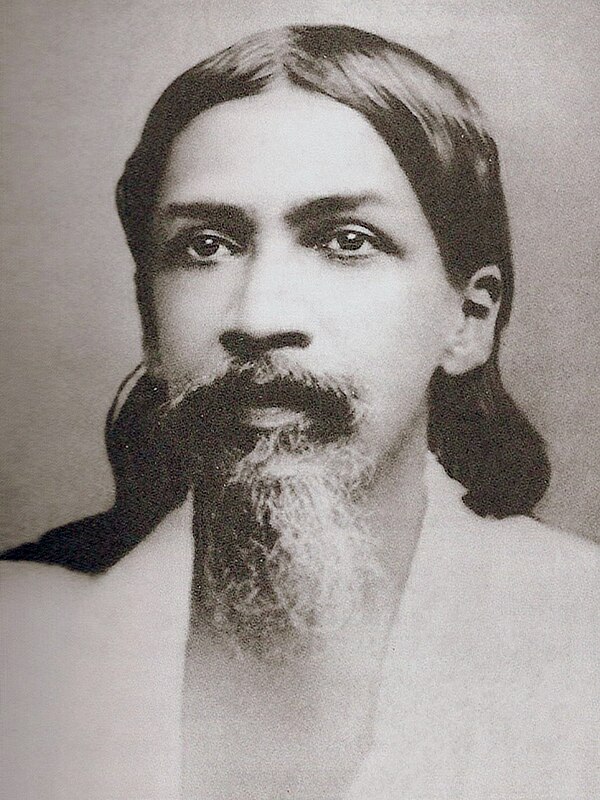
Embracing the Divine Rhythm of Aspiration
Sri Aurobindo's quote, "Bear; but ask within for strength. Aspire; but be quiet and content with the pace of the Divine working in you," invites us to navigate the delicate balance between striving for our highest potential and surrendering to the natural unfolding of our spiritual journey. In a world that often equates success with relentless ambition, Aurobindo reminds us that true strength and growth come from an inner stillness and patience. This teaching resonates deeply in our contemporary lives, where the pressure to achieve can overshadow the importance of inner reflection and acceptance.
In this profound statement, Aurobindo encapsulates a duality that is essential for spiritual growth: the tension between aspiration and acceptance. To "bear" suggests enduring life's challenges with resilience, while "ask within for strength" emphasizes the importance of introspection and seeking divine guidance. The call to "aspire" speaks to our innate desire for growth and enlightenment, yet it is tempered by the reminder to remain "quiet and content" with the divine timing of our evolution. This interplay of action and stillness is crucial for anyone on a spiritual path, as it encourages a harmonious relationship with both our ambitions and the universe's rhythm.
The image / the metaphor
The imagery in Aurobindo's quote evokes a sense of inner dialogue and dynamic interplay between the self and the divine. The verbs "bear" and "ask" suggest an active engagement with life's trials, while "aspire" and "be quiet" introduce a contemplative dimension. This juxtaposition creates a rich tapestry of meaning, where the act of bearing life's burdens is not merely a passive endurance but an active seeking of strength from within. The phrase "the pace of the Divine working in you" conjures the image of a slow, steady unfolding, akin to the gradual blossoming of a flower, reminding us that spiritual growth is often a subtle, organic process.
Diving deeper into the metaphor, we can see that Aurobindo is not merely advocating for patience but is also highlighting the importance of inner alignment with a higher purpose. The "strength" we seek is not just personal fortitude but a connection to a greater source of wisdom and power. This inner strength is cultivated through quietude and reflection, allowing us to attune ourselves to the divine rhythm that governs our lives. In this way, the quote serves as a reminder that our aspirations must be rooted in a profound understanding of our place within the larger tapestry of existence.
In the speaker's tradition
Sri Aurobindo's teachings are deeply embedded in the rich soil of Hindu philosophy, where concepts such as dharma (righteous duty) and bhakti (devotion) play pivotal roles. The idea of "bearing" aligns with the notion of dharma, which encourages individuals to fulfill their responsibilities with patience and perseverance. Simultaneously, the call to "aspire" resonates with the bhakti tradition, which emphasizes a heartfelt longing for union with the divine. Aurobindo's perspective invites us to navigate our duties with an aspirational spirit while remaining anchored in the understanding that divine grace operates on its own timeline.
In his work "Letters on Yoga," Aurobindo elaborates on the importance of surrendering to the divine will, echoing the sentiments found in the Bhagavad Gita, where Krishna advises Arjuna to perform his duty without attachment to the results. This teaching underscores the necessity of balancing action with surrender, a theme that is prevalent throughout Hindu texts. By embracing both aspiration and acceptance, we align ourselves with the divine flow, allowing our spiritual journey to unfold in accordance with a higher wisdom.
Living the teaching
Consider a modern scenario where an individual is striving for a promotion at work. The pressure to perform can be overwhelming, leading to stress and anxiety. Aurobindo's teaching encourages this person to bear the challenges of their current role while seeking inner strength through reflection and meditation. Instead of fixating solely on the outcome, they can cultivate patience and trust in the process, recognizing that their growth may not always align with their timeline. This approach not only alleviates stress but also fosters a deeper sense of fulfillment, as they learn to appreciate the journey rather than just the destination.
In a different context, imagine a relationship facing difficulties. One partner may feel the urge to push for resolution, while the other seeks space to process emotions. Aurobindo's wisdom can guide them both to bear the tension of the moment while asking for inner strength to navigate their feelings. By aspiring for understanding and connection, yet remaining quiet and content with the pace of healing, they can foster a more compassionate and supportive environment. This practice of patience and aspiration can transform their relationship, allowing it to evolve naturally and harmoniously.
A reflection
As we contemplate Aurobindo's profound words, we are invited to reflect on our own lives: How can we cultivate a deeper sense of patience while pursuing our aspirations? In what areas do we feel the tension between striving and surrendering? By engaging with these questions, we can begin to explore the delicate balance of action and acceptance, allowing the divine rhythm to guide our spiritual journey.






Join the BrightStar Community
Stay connected with daily inspiration, event announcements, and community wisdom