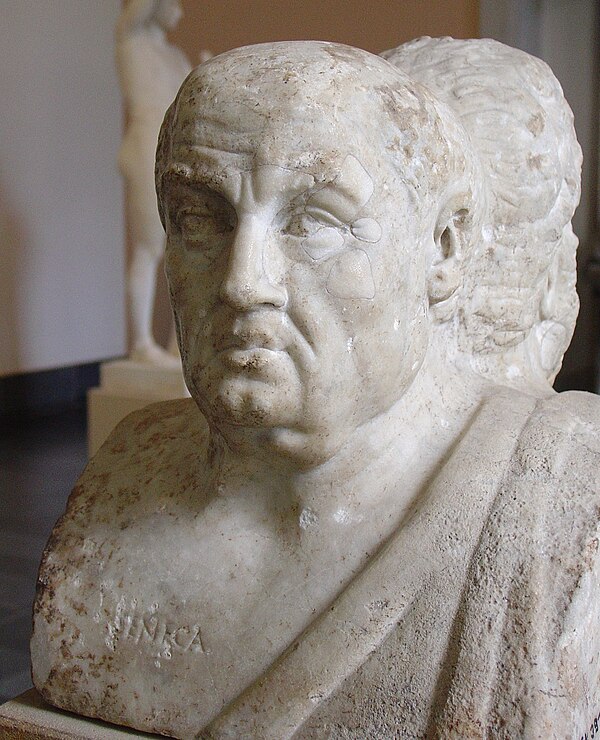
The Sweetness of Hardship: A Stoic Reflection
Seneca's poignant observation, "Things that were hard to bear are sweet to remember," invites us to reconsider our relationship with suffering and memory. In this statement, he suggests that the trials we endure, while burdensome in the moment, can transform into sources of joy and wisdom in our recollections. This transformation is not merely a nostalgic longing for the past; it is an acknowledgment of the alchemical process through which hardship can shape our character and deepen our understanding of life. Recognizing this dynamic is crucial for anyone seeking to cultivate resilience and a more profound appreciation for their experiences.
As we navigate the complexities of existence, we often find ourselves entangled in moments of pain and struggle. Yet, Seneca's insight encourages us to embrace these challenges as integral to our growth. The sweetness of memory, as he describes, is not a denial of suffering but rather an invitation to see it as a vital part of our journey. This perspective allows us to reframe our narratives, transforming our scars into symbols of strength. In a world that often prioritizes comfort and ease, Seneca's wisdom serves as a reminder that the most meaningful lessons often arise from the most arduous paths.
The image / the metaphor
At first glance, Seneca's quote evokes a rich tapestry of imagery, where the juxtaposition of "hard to bear" and "sweet to remember" creates a striking contrast. The verbs chosen—"bear" and "remember"—suggest a journey from endurance to reflection, highlighting the transformative power of time. The act of bearing implies a weight, a burden that must be carried, while remembering suggests a lightness, a release into the realm of nostalgia. This duality encapsulates the human experience, where suffering can eventually yield to joy, and pain can be reframed as a cherished memory.
Diving deeper into the metaphor, we can see that Seneca is not merely speaking of memory in a superficial sense; he is alluding to a profound alchemical process. Just as base metals can be transformed into gold through the crucible of fire, our difficult experiences can be transmuted into wisdom and strength through the passage of time. This transformation is akin to the Stoic practice of reflecting on one's experiences, allowing us to extract meaning from our struggles. In this light, the sweetness of memory becomes a testament to our resilience, a reminder that we are capable of turning our trials into treasures.
In the speaker's tradition
Seneca's insights are deeply rooted in the Stoic tradition, which emphasizes the importance of virtue, reason, and the acceptance of fate. Central to Stoicism is the concept of *amor fati*, or love of fate, which encourages individuals to embrace their circumstances, however challenging they may be. This acceptance does not imply passivity; rather, it invites active engagement with our experiences, allowing us to cultivate resilience and wisdom. In this context, the sweetness of memory becomes a reflection of our ability to find meaning in adversity, aligning with the Stoic belief that our responses to events shape our character.
Moreover, Seneca's thoughts resonate with the broader philosophical discourse on suffering and memory found in various traditions. For instance, in Buddhism, the concept of *dukkha* acknowledges the inherent suffering in life, yet it also teaches that through mindfulness and reflection, we can transform our relationship with pain. Similarly, the Christian notion of *kenosis*, or self-emptying, invites believers to embrace suffering as a pathway to deeper love and understanding. These parallels underscore the universality of Seneca's message, revealing that the alchemy of hardship into sweetness is a theme that transcends cultural and philosophical boundaries.
Living the teaching
Consider a modern scenario where this teaching might resonate: a person navigating the challenges of a demanding job. The stress and pressure may feel overwhelming, leading to moments of doubt and frustration. Yet, as time passes, this individual may look back on their experiences with a sense of pride and accomplishment. The skills developed, the relationships forged, and the resilience cultivated during those trying times become sources of strength and inspiration. In this way, the hardships once endured transform into sweet memories, enriching the narrative of their professional journey.
A reflection
As we contemplate Seneca's wisdom, we are invited to reflect on our own lives: What hardships have you faced that, in hindsight, have become sweet memories? This question encourages us to engage with our past, not as a source of regret but as a wellspring of insight and strength. By embracing the alchemical process of transforming suffering into wisdom, we can cultivate a deeper appreciation for the complexities of our journey and the richness of our experiences.




Join the BrightStar Community
Stay connected with daily inspiration, event announcements, and community wisdom