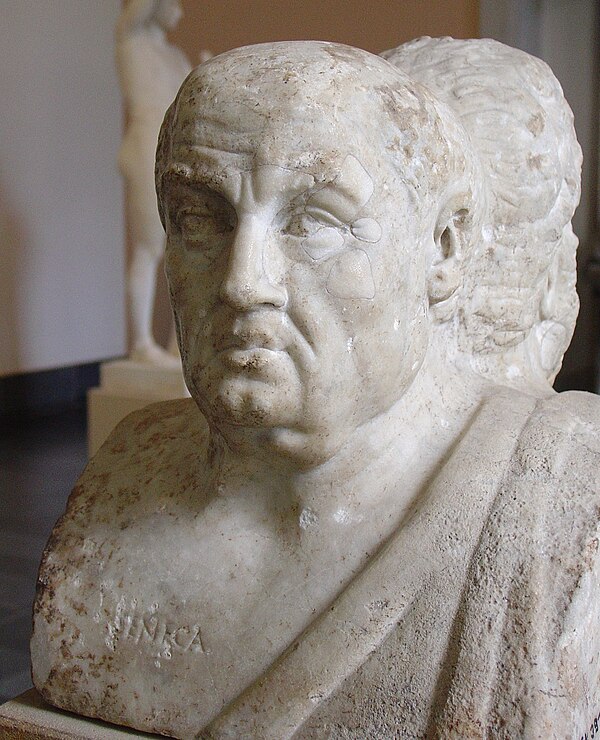
The Wisdom of Delay: A Stoic Approach to Anger
Seneca, the renowned Stoic philosopher, offers a profound insight when he states, "The greatest remedy for anger is delay." This quote encapsulates the essence of patience as a powerful antidote to the destructive nature of anger. In a world that often encourages immediate reactions and responses, Seneca's wisdom invites us to pause, reflect, and consider the consequences of our emotions before acting. The stakes are high; unchecked anger can lead to regrettable actions and fractured relationships, while the practice of delay can foster understanding and compassion.
Delaying our response to anger is not merely about holding back our words or actions; it is about cultivating a deeper awareness of our emotional landscape. Seneca's teaching urges us to recognize that anger, while a natural human emotion, can cloud our judgment and lead us astray. By embracing delay, we create space for reflection, allowing us to respond with clarity rather than react impulsively. This practice of patience becomes a transformative tool, enabling us to navigate our emotional responses with greater wisdom and intention.
The image / the metaphor
The imagery in Seneca's quote evokes a sense of time as a healing balm for the tumultuous waves of anger. The word "delay" suggests a pause, a moment suspended in time where we can step back from the immediate emotional surge. This act of delaying is not passive; rather, it is an active choice to engage with our feelings thoughtfully. The verb "remedy" implies a healing process, indicating that anger, while a natural response, requires careful management to prevent harm to ourselves and others.
Diving deeper into the metaphor, we can envision delay as a protective barrier against the storm of anger. Just as a ship seeks safe harbor during a tempest, we too can find refuge in the space created by delay. This metaphor invites us to consider the power of time as a transformative force, allowing us to sift through our emotions and discern the underlying causes of our anger. In this light, delay becomes not just a remedy but a pathway to greater self-awareness and emotional intelligence.
In the speaker's tradition
Seneca's teachings are deeply rooted in the Stoic tradition, which emphasizes the importance of virtue, reason, and self-control. Central to Stoicism is the concept of "apatheia," or the ability to maintain a state of equanimity in the face of emotional turmoil. This aligns closely with the idea of "dharma" in Eastern philosophies, where one is encouraged to act in accordance with one's true nature and purpose, rather than being swept away by transient emotions. Both traditions advocate for a mindful approach to our emotional responses, urging us to cultivate inner peace amidst external chaos.
In his work "On Anger," Seneca elaborates on the destructive potential of unchecked emotions, drawing parallels to the Buddhist concept of "sunyata," or emptiness, which teaches that our attachments to emotions can lead to suffering. By recognizing the impermanence of our feelings and the importance of delay, we can cultivate a sense of detachment that allows us to respond rather than react. This philosophical framework encourages us to view anger not as an enemy, but as a teacher, guiding us toward deeper understanding and growth.
Living the teaching
Consider a modern scenario where this teaching might resonate: a heated discussion at work where a colleague's comments trigger a visceral response of anger. In that moment, the impulse to retaliate or defend oneself can be overwhelming. However, by practicing delay, one can take a step back, breathe, and reflect on the situation. This pause allows for a more measured response, fostering a constructive dialogue rather than escalating conflict. Such moments of delay can transform potential confrontations into opportunities for collaboration and understanding.
In the realm of personal relationships, the application of Seneca's wisdom is equally profound. Imagine a disagreement with a loved one that stirs feelings of frustration and resentment. Instead of reacting immediately, one might choose to delay their response, allowing time for emotions to settle. This practice not only prevents hurtful words from being spoken but also opens the door for empathy and connection. By embracing delay, we create a space for healing and reconciliation, reinforcing the bonds that matter most.
A reflection
As we contemplate Seneca's assertion that "the greatest remedy for anger is delay," we are invited to reflect on our own emotional responses. How often do we allow our anger to dictate our actions, leading to outcomes we later regret? In moments of frustration, can we cultivate the practice of delay, transforming our initial reactions into thoughtful responses? This contemplative question encourages us to explore the depths of our emotional landscape and consider how the wisdom of delay can guide us toward a more harmonious existence.



Join the BrightStar Community
Stay connected with daily inspiration, event announcements, and community wisdom