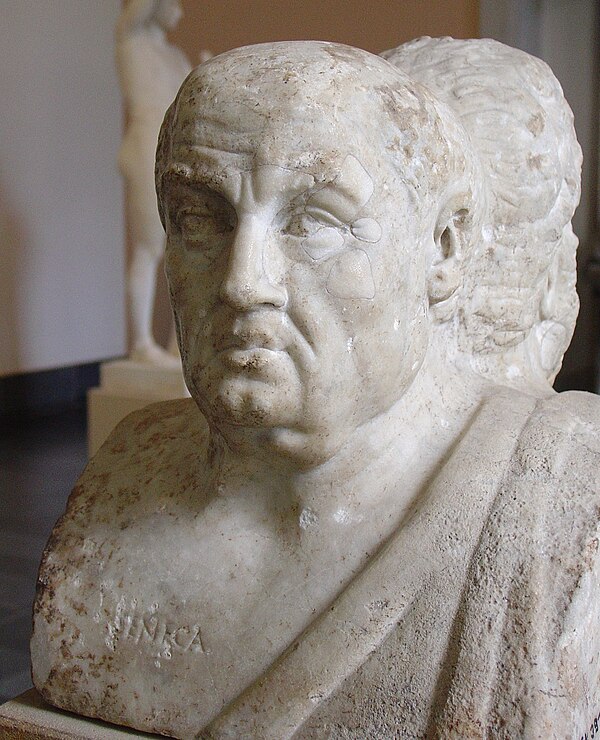
The Power of Initiation: Embracing Action in Stoicism
Seneca's assertion, "He who has begun has half done," encapsulates a profound truth about the nature of action and intention. To embark on a task is to transcend the inertia of indecision, marking the first step toward completion. This insight is not merely a motivational platitude; it speaks to the heart of human experience, where the act of beginning often holds the key to overcoming obstacles and achieving our aspirations. In a world rife with distractions and uncertainties, understanding the significance of initiation becomes essential for personal growth and fulfillment.
Delving deeper into this wisdom reveals that the journey of a thousand miles indeed begins with a single step. The act of beginning is imbued with potential, a promise of progress that can inspire not only the individual but also those around them. In our contemporary lives, where procrastination and self-doubt can loom large, Seneca's words remind us that the mere act of starting can alleviate the weight of our ambitions. This teaching invites us to reflect on our relationship with action and the barriers we construct that prevent us from moving forward.
The image / the metaphor
At first glance, Seneca's quote presents a straightforward image of action and accomplishment. The verb "begun" suggests a dynamic movement, a departure from passivity into the realm of agency. The phrase "has half done" evokes a sense of progress, implying that the initiation of a task carries with it an inherent momentum. This imagery resonates deeply with the human experience, where the threshold of action often feels daunting, yet once crossed, reveals a path toward completion that was previously obscured.
Going deeper into the metaphor, we can see that the act of beginning is not merely about physical tasks but also encompasses emotional and spiritual endeavors. It symbolizes the courage to confront our fears, to embrace vulnerability, and to step into the unknown. In this light, Seneca's words become a call to action that transcends the mundane, urging us to recognize that the first step is often the most significant. It is a reminder that within the act of beginning lies the potential for transformation, both within ourselves and in our interactions with the world.
In the speaker's tradition
Seneca's wisdom is firmly rooted in the Stoic tradition, which emphasizes the importance of rational action and the cultivation of virtue. Central to Stoicism is the concept of 'dharma,' or one's duty, which aligns closely with the idea of taking initiative. Just as the Stoics believed in the necessity of aligning one's actions with reason and virtue, Seneca's quote underscores the importance of engaging with the world through purposeful action. This alignment fosters a sense of agency and responsibility, encouraging individuals to act in accordance with their values and aspirations.
Moreover, Seneca's teachings resonate with the broader Stoic texts, such as Epictetus' "Enchiridion," which emphasizes the significance of focusing on what is within our control. The act of beginning is a manifestation of this principle, as it reflects our ability to choose how we respond to life's challenges. By initiating action, we reclaim our agency and affirm our commitment to personal growth, echoing the Stoic belief that our responses shape our experiences. This interconnectedness of action and virtue is a cornerstone of Stoic philosophy, reminding us that the journey toward fulfillment begins with the courage to start.
Living the teaching
Consider a modern scenario where this teaching resonates deeply: the decision to pursue a new career path. Many individuals find themselves paralyzed by the fear of failure or the uncertainty of change. However, by simply taking the first step—whether it be updating a resume, networking, or enrolling in a course—one can break free from the shackles of indecision. This initial action not only propels the individual forward but also ignites a sense of possibility, transforming a daunting prospect into a manageable journey.
In the realm of relationships, Seneca's insight can also be applied to the act of initiating difficult conversations. Often, we hesitate to address conflicts or express our feelings due to fear of vulnerability. Yet, by choosing to begin the dialogue, we open the door to understanding and connection. This act of courage not only fosters deeper relationships but also cultivates a sense of authenticity and trust. In both scenarios, the essence of Seneca's teaching shines through: the act of beginning is a powerful catalyst for change, inviting us to embrace our potential and engage fully with life.
A reflection
As we contemplate Seneca's words, we are invited to reflect on our own relationship with action and initiation. What aspirations or projects have we hesitated to begin, and what fears hold us back? In recognizing the transformative power of taking that first step, we can ask ourselves: How might our lives change if we embraced the courage to begin, even in the face of uncertainty? This question invites us to explore the depths of our potential and the possibilities that await us on the other side of initiation.




Join the BrightStar Community
Stay connected with daily inspiration, event announcements, and community wisdom