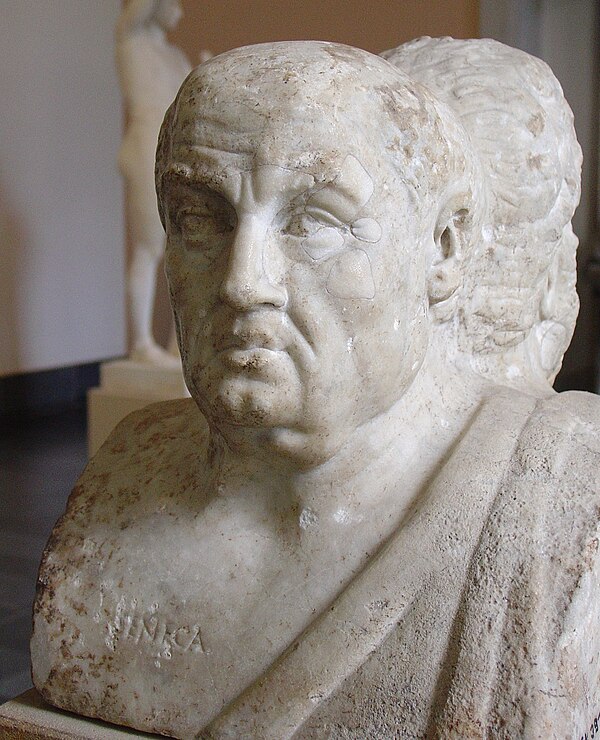
Embracing the Kinship of Existence
In the words of Seneca, "He bears with thee, watches thee, neither greater nor stronger than thee — for thou art akin to him." This profound statement invites us to reflect on the nature of our relationship with the divine, suggesting a deep kinship that transcends traditional hierarchies. It challenges us to reconsider our understanding of divinity, not as an omnipotent ruler, but as a companion in our journey, sharing in our struggles and triumphs. This perspective is vital in a world often marked by isolation and disconnection, reminding us that we are not alone in our experiences.
Moreover, Seneca's assertion speaks to the essence of unity that permeates existence. By acknowledging that we are akin to the divine, we are invited to recognize our shared humanity and interconnectedness with all beings. This understanding fosters compassion and empathy, urging us to treat ourselves and others with kindness. In a time when division seems prevalent, Seneca's words resonate as a call to cultivate a sense of belonging and mutual support, emphasizing that our struggles are not solitary but part of a larger tapestry of life.
The image / the metaphor
The imagery in Seneca's quote evokes a sense of intimacy and companionship. The verbs "bears" and "watches" suggest a gentle, nurturing presence, one that is attentive and caring rather than distant or authoritative. This portrayal of the divine as neither greater nor stronger than us invites a re-evaluation of power dynamics, suggesting that true strength lies in understanding and support rather than domination. The phrase "for thou art akin to him" reinforces this notion, emphasizing a shared essence that binds us to the divine and to one another.
Diving deeper into the metaphor, we can see that Seneca is not merely speaking of a distant deity but rather a presence that is intimately involved in our lives. This kinship implies a relationship built on mutual respect and understanding, where the divine is not an abstract concept but a living reality that resonates within us. It encourages us to see ourselves as part of a greater whole, where our joys and sorrows are shared, and where we can find solace in the knowledge that we are never truly alone. This perspective invites us to cultivate a sense of belonging and connection, both to the divine and to each other.
In the speaker's tradition
Seneca's philosophy is deeply rooted in Stoicism, a school of thought that emphasizes rationality, virtue, and the interconnectedness of all things. Central to Stoic thought is the idea of living in accordance with nature, which includes recognizing our kinship with the divine and the universe. This concept resonates with ideas found in other spiritual traditions, such as dharma in Hinduism, which speaks to the inherent duty and connection we have to the cosmos, or kenosis in Christian theology, which refers to the self-emptying of one's own will for the sake of others. In each case, there is an acknowledgment of a shared existence that transcends individual concerns.
Furthermore, Seneca's insights can be compared to the Buddhist concept of sunyata, or emptiness, which teaches that all beings are interconnected and that our sense of self is an illusion. Just as Seneca emphasizes our kinship with the divine, Buddhism encourages us to recognize our interdependence with all life. In both traditions, there is a call to transcend the ego and embrace a more profound understanding of existence, one that fosters compassion and unity rather than separation and conflict. This shared wisdom across traditions highlights the universality of Seneca's message and its relevance in our quest for meaning.
Living the teaching
Consider a modern scenario where this teaching can be applied: a moment of personal struggle, perhaps during a challenging day at work. You may feel overwhelmed by the demands placed upon you, leading to a sense of isolation. In this moment, reflecting on Seneca's words can provide comfort. Recognizing that the divine bears witness to your struggles, neither greater nor stronger, can transform your experience. It invites you to see your challenges as part of a shared human experience, fostering resilience and a sense of connection to something greater than yourself.
Another application of this teaching can be found in relationships, particularly during conflicts. When disagreements arise, it is easy to view the other person as an adversary. However, by remembering that both you and the other are akin to the divine, you can approach the situation with empathy and understanding. This perspective encourages open communication and a willingness to listen, allowing for healing and reconciliation. In daily practice, this might involve taking a moment to breathe and reflect on the shared humanity in each interaction, fostering a sense of kinship that can transform the way we relate to one another.
A reflection
As we contemplate Seneca's profound words, we are invited to explore the nature of our own relationship with the divine and with others. How might recognizing our kinship with the divine change the way we approach our struggles and our relationships? This question encourages us to reflect on our interconnectedness and the ways in which we can cultivate compassion and understanding in our lives. In embracing this kinship, we open ourselves to a deeper sense of belonging and purpose, enriching our journey through life.




Join the BrightStar Community
Stay connected with daily inspiration, event announcements, and community wisdom