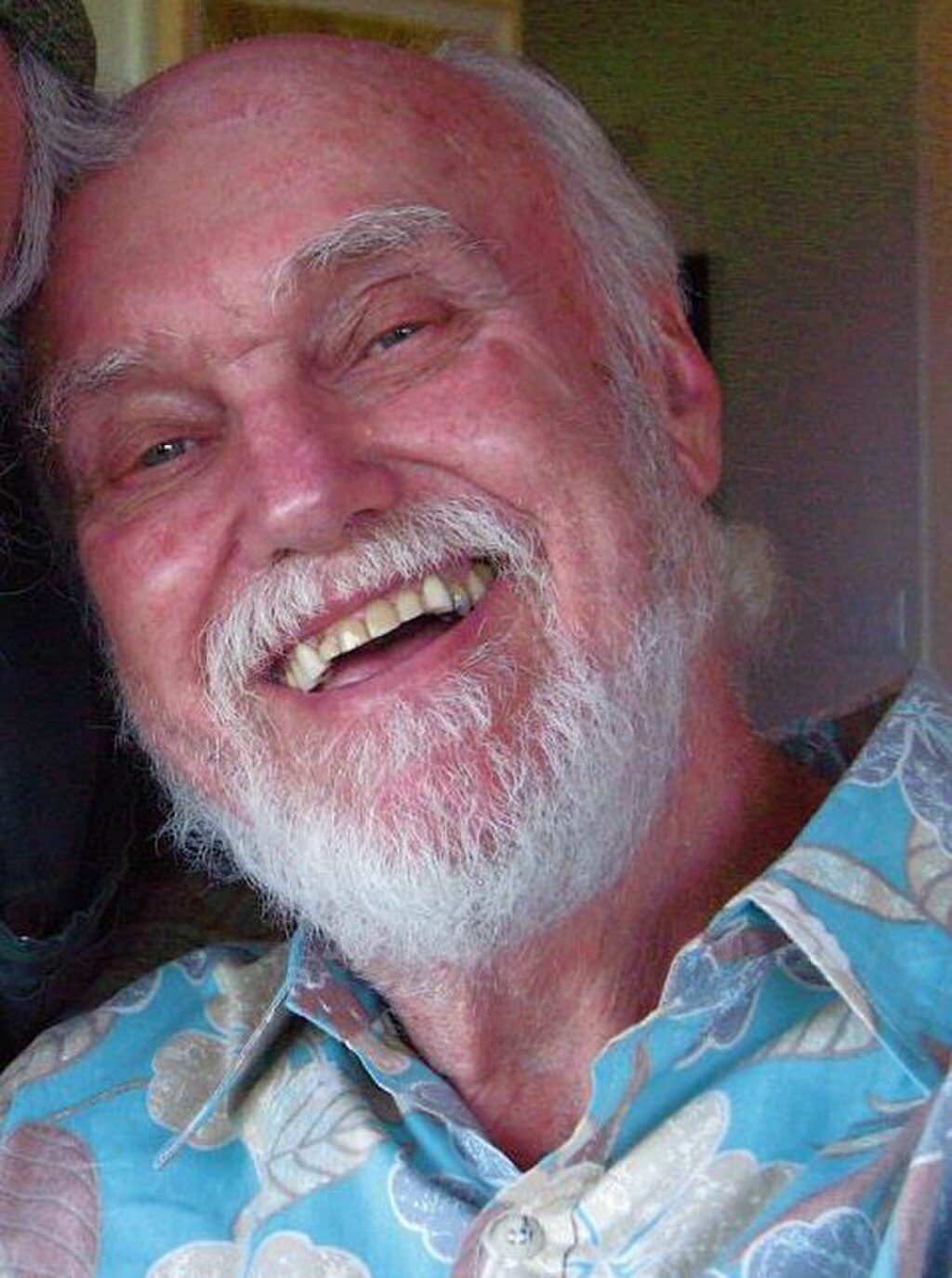
Embracing Grace in the Shadows of Suffering
Ram Dass's poignant assertion, "Every illness, every loss, every grief is grace if we let it be," invites us to reconsider our relationship with suffering. In a world that often views pain as an adversary, this perspective challenges us to see it as a transformative force. The stakes are high: to embrace this teaching is to open ourselves to the possibility of profound healing and spiritual growth, even amidst our darkest moments. It beckons us to explore the alchemical potential of our experiences, urging us to find meaning where we might otherwise see only despair.
Delving deeper, we recognize that this quote is not merely a call to acceptance but an invitation to engage with our suffering as a sacred teacher. Ram Dass encourages us to shift our perception, to view grief and loss not as burdens but as opportunities for grace. This reframing is essential in a culture that often stigmatizes vulnerability and pain. By allowing ourselves to be touched by our experiences, we can cultivate a deeper understanding of ourselves and our interconnectedness with others, ultimately leading to a more compassionate existence.
The image / the metaphor
The imagery in Ram Dass's quote evokes a sense of alchemy, where the lead of our suffering can be transformed into the gold of grace. The verbs "let it be" suggest an active participation in this transformation, indicating that grace is not a passive state but a conscious choice. This choice requires us to engage with our pain, to sit with it, and to allow it to unfold its lessons. The felt sense of this quote resonates deeply, as it speaks to the universal human experience of grappling with loss and illness, inviting us to find beauty in the struggle.
Going deeper into the metaphor, we can see that grace is not a distant or abstract concept; it is woven into the fabric of our everyday lives. It suggests that within the chaos of illness and grief lies a profound opportunity for awakening. This perspective aligns with the idea of spiritual alchemy, where the raw materials of our suffering can be transformed into wisdom and compassion. By embracing this metaphor, we begin to understand that our challenges are not merely obstacles but essential components of our spiritual journey.
In the speaker's tradition
Ram Dass's insights are deeply rooted in the Hindu tradition, where concepts such as dharma and bhakti illuminate the path of acceptance and devotion. Dharma, or one's duty, encourages us to embrace our experiences, including suffering, as part of our spiritual path. Bhakti, the path of devotion, invites us to surrender to the divine flow of life, recognizing that grace often emerges from our willingness to let go of control. This interplay of acceptance and surrender is central to understanding how grace operates within the context of our trials.
In the Bhagavad Gita, a foundational text of Hindu philosophy, Lord Krishna speaks to Arjuna about the nature of duty and the importance of facing challenges with equanimity. This teaching resonates with Ram Dass's message, as it emphasizes the transformative potential of engaging with our struggles. Just as Arjuna learns to see his battles as opportunities for growth, we too are invited to view our illnesses and losses as pathways to grace, ultimately leading us toward a deeper understanding of our true selves.
Living the teaching
Consider a modern scenario where this teaching might resonate: a person grappling with a serious illness. Initially, they may feel overwhelmed by fear and uncertainty, viewing their condition as a curse. However, as they begin to explore the depths of their experience, they may discover newfound strength and resilience. Through this lens, their illness becomes a catalyst for personal growth, prompting them to reassess their priorities, deepen their relationships, and cultivate a greater appreciation for life itself. This journey illustrates how embracing suffering can lead to profound transformation.
In another context, think about a relationship facing significant challenges. Perhaps a couple is navigating the grief of losing a loved one together. Instead of allowing this shared sorrow to drive them apart, they can choose to lean into their grief, using it as a means to connect more deeply. By acknowledging their pain and supporting one another, they create a space for healing and intimacy, ultimately transforming their grief into a shared experience of grace. This application of Ram Dass's teaching highlights the potential for growth and connection in the midst of adversity.
A reflection
As we contemplate Ram Dass's profound words, we are invited to reflect on our own experiences of suffering. How might we reframe our understanding of illness, loss, or grief as opportunities for grace? In what ways can we allow ourselves to be transformed by our challenges, rather than defined by them? This contemplative question encourages us to engage with our pain, inviting us to explore the deeper lessons it may hold and the grace that can emerge from our willingness to embrace it.




Join the BrightStar Community
Stay connected with daily inspiration, event announcements, and community wisdom