The Healing Embrace of Self-Compassion
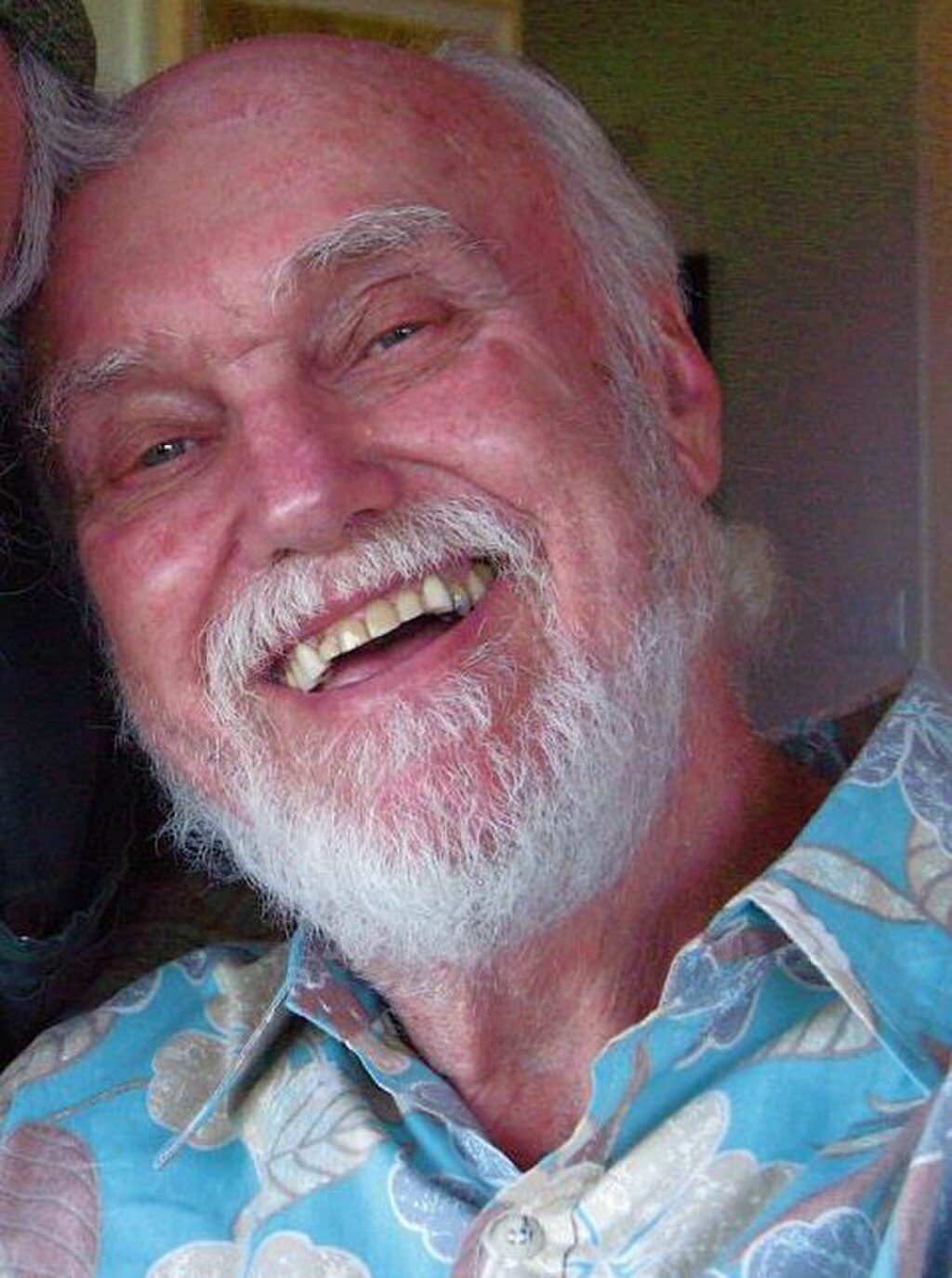
Ram Dass poignantly reminds us that "compassion is what we offer the part of ourselves that is suffering." This statement invites us to explore the depths of our own pain and the transformative power of compassion. In a world often marked by judgment and harshness, this teaching serves as a gentle reminder that the first step toward healing is to extend kindness to ourselves, especially in moments of vulnerability. Recognizing our suffering is not a sign of weakness; rather, it is an essential aspect of our humanity that deserves our love and attention.
In a society that often prioritizes achievement and perfection, the notion of self-compassion can feel revolutionary. It challenges us to confront our internal narratives that may perpetuate self-criticism and shame. By offering compassion to our suffering selves, we create a sanctuary within, allowing us to acknowledge our pain without being overwhelmed by it. This internal dialogue is not merely an act of self-soothing; it is a profound engagement with our own humanity, fostering resilience and a deeper understanding of the interconnectedness of all beings.
The image / the metaphor
The imagery in Ram Dass's quote evokes a sense of nurturing and care. The verb "offer" suggests an active engagement, as if we are presenting a gift to ourselves in our moments of suffering. This act of offering implies a recognition of our pain as something worthy of attention and tenderness. The phrase "the part of ourselves that is suffering" acknowledges that suffering is not an isolated experience; it is a part of our whole being that requires acknowledgment and compassion.
Diving deeper into the metaphor, we can envision compassion as a balm that soothes our wounds. Just as we would care for a friend in distress, we are invited to extend that same kindness inward. This act of self-compassion is akin to holding a fragile flower in our hands, recognizing its beauty and fragility. By offering compassion to our suffering selves, we cultivate a space where healing can occur, allowing us to transform our pain into a source of wisdom and growth.
In the speaker's tradition
Ram Dass's teachings are deeply rooted in the Hindu tradition, where concepts such as dharma and bhakti illuminate the path of compassion. Dharma, or one's duty, often involves recognizing the suffering of others and responding with love and kindness. This extends to the self, where self-compassion becomes a vital aspect of fulfilling our dharma. The practice of bhakti, or devotion, encourages us to cultivate a loving relationship with ourselves, recognizing that the divine resides within our own hearts, even in moments of suffering.
A relevant text that echoes this sentiment is the Bhagavad Gita, where Krishna advises Arjuna to embrace his vulnerabilities and act from a place of love and compassion. The Gita teaches that acknowledging our suffering is not a distraction from our duty but rather a vital part of our spiritual journey. By offering compassion to ourselves, we align with the deeper truths of existence, fostering a sense of unity with all beings and the divine.
Living the teaching
Consider a modern scenario where this teaching resonates: a person grappling with feelings of inadequacy at work. They may find themselves overwhelmed by self-doubt, feeling as though they are not measuring up to expectations. In this moment, the practice of self-compassion becomes essential. Instead of succumbing to harsh self-criticism, they can pause, acknowledge their feelings, and offer themselves the same kindness they would extend to a friend in a similar situation. This shift in perspective can create a profound sense of relief and empowerment, allowing them to approach their challenges with renewed clarity and strength.
Another application of this teaching might arise in the context of a strained relationship. When faced with conflict, it is easy to become defensive or critical of oneself and others. However, by practicing self-compassion, one can recognize their own vulnerabilities and the pain that may be driving their reactions. This awareness fosters a more compassionate dialogue, both internally and externally, allowing for healing and understanding to emerge. In this way, self-compassion not only nurtures our own hearts but also paves the way for deeper connections with those around us.
A reflection
As we contemplate Ram Dass's profound insight, we are invited to ask ourselves: How can I extend compassion to the parts of myself that are suffering? This question encourages us to explore the depths of our own experiences, recognizing that our pain is not something to be hidden or ignored but rather embraced with love. In this exploration, we may find that by offering compassion to ourselves, we not only heal our own wounds but also cultivate a deeper sense of empathy for the suffering of others, creating a ripple effect of kindness in the world.



Join the BrightStar Community
Stay connected with daily inspiration, event announcements, and community wisdom