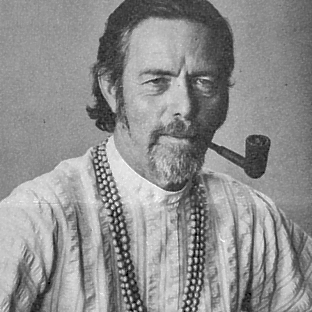
The Essence of Now: Embracing the Present Moment
Alan Watts's succinct declaration, "This is it," serves as a profound reminder of the importance of presence in our lives. In a world often consumed by the past or preoccupied with the future, this statement invites us to anchor ourselves in the immediacy of the present moment. It challenges us to recognize that the essence of our experience lies not in distant aspirations or regrets, but in the here and now. This realization is not merely philosophical; it is a call to awaken to the richness of life as it unfolds before us.
Delving deeper, Watts's assertion encapsulates a radical acceptance of reality as it is, devoid of embellishments or distractions. It encourages us to confront the often uncomfortable truth that the present moment is all we truly possess. This teaching resonates with the core of Zen philosophy, which emphasizes direct experience over conceptual understanding. By embracing "this is it," we are invited to shed the layers of expectation and judgment that cloud our perception, allowing us to engage fully with the life that is happening right now.
The image / the metaphor
At its surface, the phrase "This is it" conjures a vivid image of immediacy and clarity. The simplicity of the words belies their depth; they evoke a sense of urgency and presence, urging us to stop searching for something beyond our current experience. The verb "is" anchors us in existence, while "this" points to the specific moment we inhabit. Together, they create a felt sense of reality that is both grounding and liberating, inviting us to fully inhabit our lives without the distractions of what might be or what has been.
Metaphorically, "This is it" serves as a portal to understanding the nature of reality itself. It suggests that the search for meaning or fulfillment often leads us away from the very essence of life, which is found in the present. In Zen practice, this idea resonates with the concept of "satori," or sudden enlightenment, where one realizes that the ordinary moments of life are imbued with profound significance. By recognizing that "this" moment is all there is, we can begin to appreciate the beauty and complexity of existence in its raw form.
In the speaker's tradition
Alan Watts, a prominent interpreter of Eastern philosophy for Western audiences, draws heavily from Zen Buddhism, where the notion of presence is paramount. Concepts such as "sunyata" (emptiness) and "prajna" (wisdom) are integral to understanding his perspective. In Zen, the idea of being fully present is not merely a practice but a way of being that transcends dualistic thinking. Watts's teachings encourage us to embrace the fluidity of existence, recognizing that our attachment to fixed ideas and identities often obscures the truth of our experience.
Living the teaching
Consider a modern scenario where the teaching of "This is it" can be applied: a busy professional caught in the whirlwind of deadlines and meetings. In such a context, the relentless pursuit of future goals can lead to a disconnection from the present moment. By embracing Watts's teaching, this individual might pause amidst the chaos, taking a moment to breathe and acknowledge the sensations of their current experience. This simple act of presence can transform their perception, allowing them to engage more fully with their work and relationships, fostering a deeper sense of fulfillment.
In a different context, imagine a couple navigating a challenging moment in their relationship. The weight of past grievances or future uncertainties can cloud their interactions. By embodying the essence of "This is it," they can choose to focus on the present, engaging in open communication and vulnerability. This shift not only deepens their connection but also cultivates a space where love and understanding can flourish, reminding them that the essence of their relationship is found in the moments they share, not in the shadows of what has been or what might come.
A reflection
As we contemplate the significance of Alan Watts's declaration, we are invited to reflect on our own relationship with the present moment. How often do we find ourselves lost in thoughts of the past or future, missing the beauty of what is unfolding right before us? In this spirit, consider this contemplative question: What would it mean for you to fully embrace "this is it" in your daily life? Allow this inquiry to guide you toward a deeper understanding of presence and the richness it can bring to your experience.


Join the BrightStar Community
Stay connected with daily inspiration, event announcements, and community wisdom