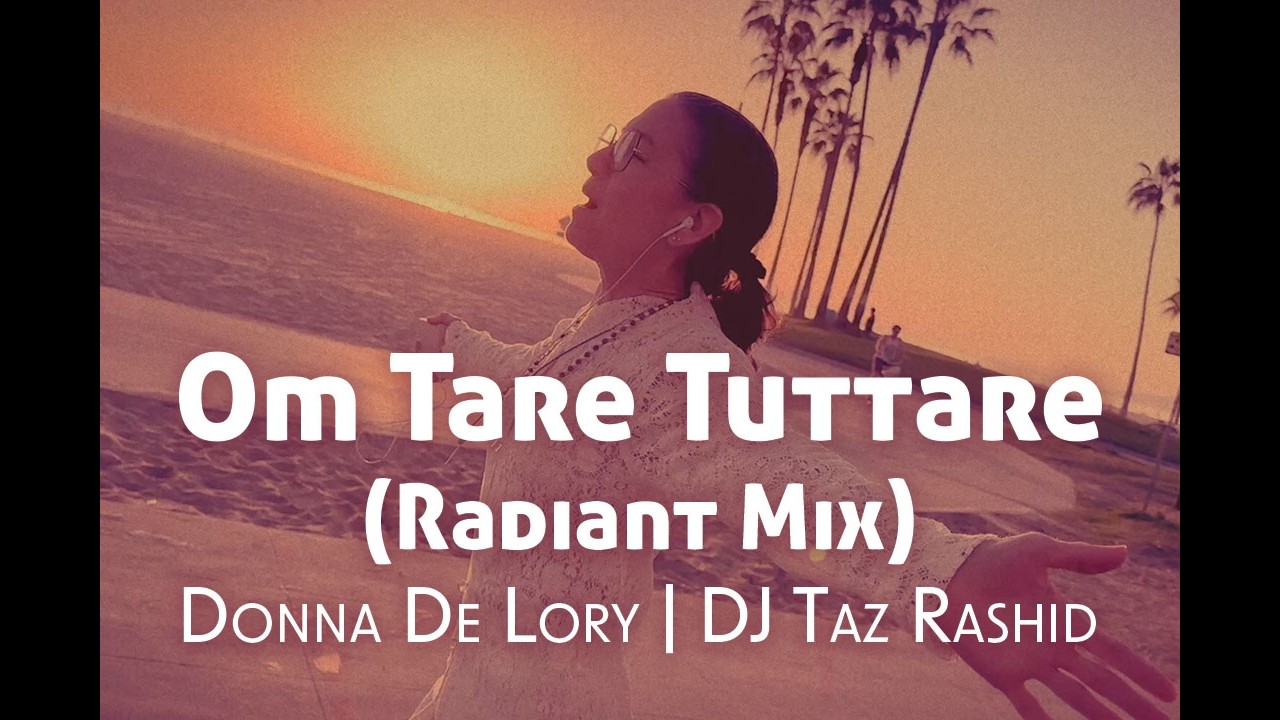
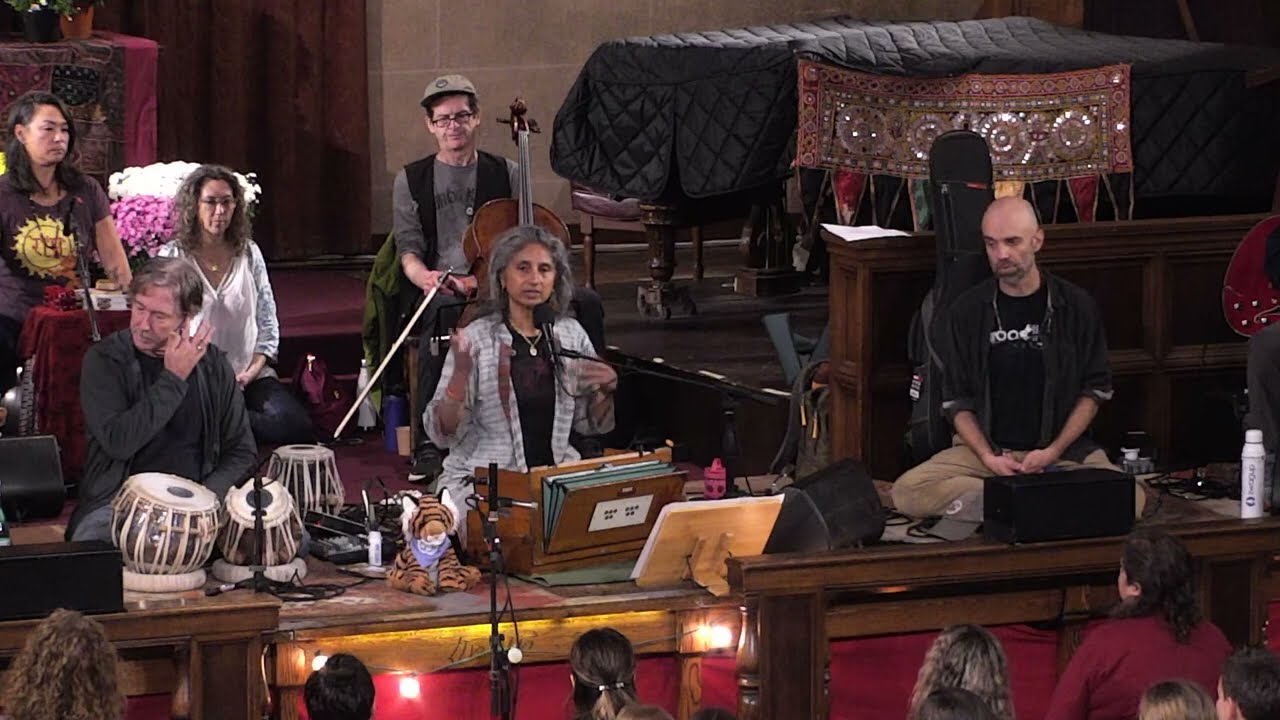
Samba Sadashiva is a devotional chant performance by kirtan artist Donna De Lory, featured on her 2016 album The Lover & The Beloved. The piece weaves together Sanskrit mantra invocation (likely referencing Sadashiva, a form of Shiva representing pure consciousness) with rhythmic, samba-influenced musicality, creating a contemporary expression of ancient Hindu devotional practice that honors both the transcendent aspect of divine consciousness and the sensual, embodied experience of kirtan singing.
What is Samba Sadashiva?
Samba Sadashiva combines two distinct musical and spiritual traditions. Samba refers to the Brazilian rhythm and dance form characterized by infectious, syncopated groove and community participation. Sadashiva
Kirtan—the call-and-response devotional singing tradition rooted in Indian classical and bhakti traditions—operates as a gateway to direct spiritual experience. Unlike passive listening, kirtan invites the participant (whether singer or listener) into a shared sonic field where repetition of divine names and mantras creates altered states of awareness. The rhythmic, musical elements serve not as decoration but as containers for mantric energy. When sung with intention, the vibration of Sanskrit syllables is understood in yogic philosophy to activate corresponding energy channels (nadis) in the subtle body. Donna De Lory's approach, particularly in pieces that integrate world music rhythms like samba, democratizes this practice—making it accessible to contemporary audiences while preserving the underlying reverence for the divine names being invoked. The title The Lover & The Beloved alludes to the classical Sufi and Hindu devotional framework in which the soul (lover) seeks union with the divine (beloved). This is not a sentimental or romantic love in the conventional sense, but rather bhakti—the yoga of devotion in which the seeker's entire being is oriented toward communion with the infinite. By including a piece like Samba Sadashiva within this album, De Lory suggests that this yearning and union can be expressed through many musical languages and cultural traditions. The album as a whole appears to honor the diversity of devotional forms while pointing toward a unified truth: that the longing for connection with the sacred is universal and can sing itself into being through rhythm, voice, and intention. De Lory's integration of samba rhythm with Sanskrit mantra reflects a conscious choice to meet modern listeners where they are—in bodies that recognize groove, in ears shaped by global musical exposure, in hearts that may not have been raised in Hindu or kirtan traditions but remain spiritually hungry. By refusing the false choice between "authentic" Indian classical forms and contemporary accessibility, she models a practice of respectful cultural bridge-building. The samba rhythm does not dilute the mantra's power; instead, it grounds the invocation in joy, movement, and the vitality of embodied presence. This approach honors both the source tradition (the Sanskrit invocation of Sadashiva) and the contemporary practitioner's need for music that speaks to the whole person—not only intellect or spirit, but also body, emotion, and the pleasure of rhythm. In the Shaiva (Shiva-centered) traditions of Hinduism, Sadashiva represents consciousness in its most primordial, undifferentiated state—the "eternal Shiva" from which all manifestation emerges. Unlike Shiva as destroyer or cosmic dancer, Sadashiva is often meditated upon as the ground of being itself, unchanging and infinite. The invocation of Sadashiva in a devotional chant is an acknowledgment that beneath all phenomena, all diversity, all individual identity, there exists a unified consciousness. When this invocation is sung—when it becomes kinetic and rhythmic rather than merely conceptual—the practitioner moves from intellectual understanding toward direct resonance with that infinite awareness. The fact that it is sung as Samba Sadashiva, infused with joy and movement, suggests a path of devotion that does not require renunciation of the world or the body, but rather a sacred yes to both consciousness and its expression in form. Mantra repetition—whether spoken, chanted, or sung—works through the principle of resonance. In yogic philosophy, each sound (or bija, seed sound) carries a specific vibration and corresponds to particular states of consciousness and energy. The repetition of a mantra like "Sadashiva" is not mindless recitation but a deliberate attunement to the frequency that name carries. With repetition, the mind quiets its habitual chatter and begins to oscillate at the same frequency as the mantra itself. The addition of rhythm (especially the infectious, body-friendly rhythm of samba) strengthens this effect by engaging additional neurological and energetic systems. Rather than creating a dissociative trance, the repetition in a well-performed kirtan piece like Samba Sadashiva often produces a state of alert presence—awareness sharpened and unified through the convergence of sound, breath, rhythm, and intention. Listeners drawn to Samba Sadashiva might explore the full album The Lover & The Beloved to understand how De Lory develops her unique approach across multiple pieces. For those interested in the deeper philosophy behind Sadashiva and Shaiva tantra, texts like the Shiva Sutras or contemporary commentaries by teachers like Kashmir Shaivism scholars offer conceptual grounding. To engage the practice more actively, seek out live kirtan events in your area or explore recordings by other contemporary kirtan artists (such as Krishna Das, Jai Uttal, or Wah!) to hear how different practitioners approach the call-and-response tradition. If you wish to sing mantras yourself, begin with simple practices: learn a basic mantra like "Om Namah Shivaya" or "Samba Sadashiva," and allow yourself 10–20 minutes of repetition daily, noticing shifts in mood, energy, and awareness. Finally, recognize that kirtan need not be tied to belief in any particular theology—it can simply be experienced as a sonic and vibrational practice that attunes the nervous system toward peace and presence.How does kirtan function as a spiritual practice?
What does the album "The Lover & The Beloved" explore thematically?
Why does Donna De Lory blend traditional mantras with contemporary world music?
What is the significance of invoking Sadashiva specifically?
How does repetition function in mantra practice?
Where to go from here