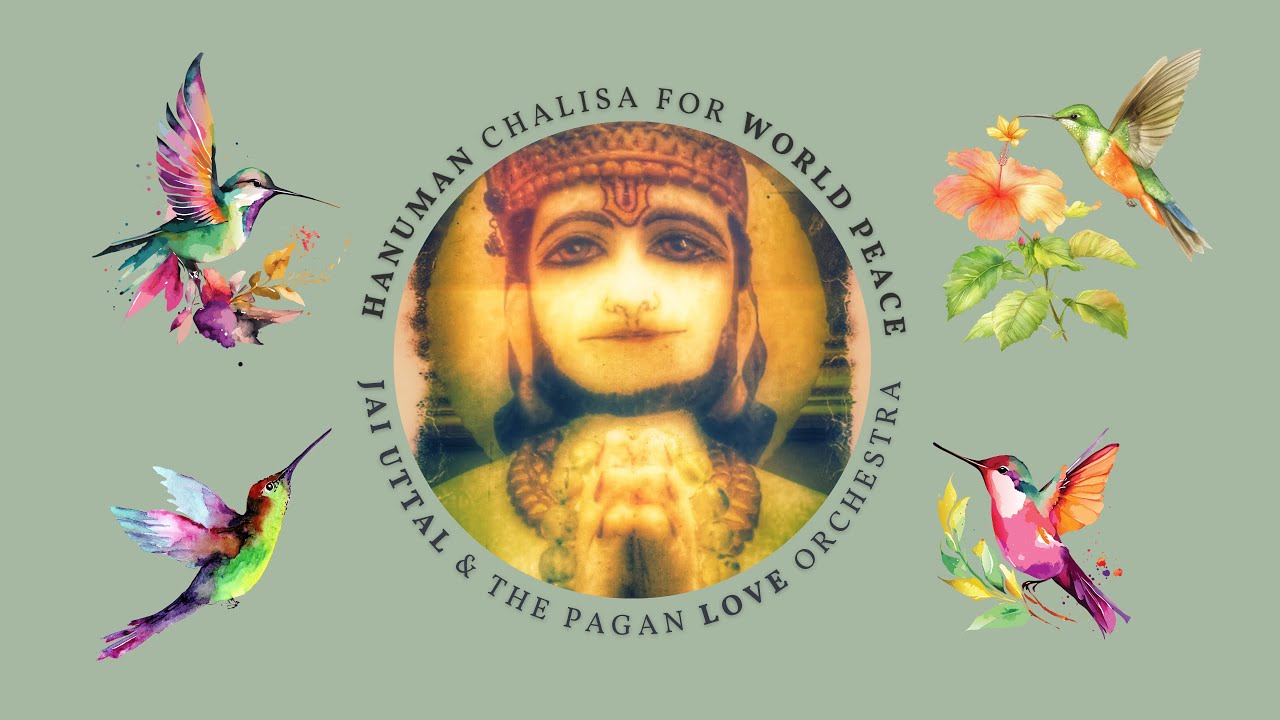
Kirtan Kids is a specialized program that introduces children to the practice of kirtan—sacred call-and-response chanting rooted in Hindu and bhakti traditions. Through the combination of music, dance, and devotional chanting, the program makes mantra practice accessible and joyful for young people, enabling them to experience the benefits of spiritual practice in a peer environment designed for their developmental stage.
What Is Kirtan and Why Does It Matter for Children?
Kirtan is a form of devotional singing and chanting found primarily in Hindu, Sikh, and bhakti spiritual traditions. The practice involves a leader singing or chanting sacred names and mantras, with the audience or group responding in a call-and-response format. Unlike meditation, which requires sustained silence and internal focus, kirtan is communal, participatory, and joyful—qualities that make it naturally suited to children's learning styles and developmental needs.
For children, kirtan offers several concrete benefits. The repetition of mantras supports memory development and cognitive focus. The rhythmic patterns of chanting can calm the nervous system, similar to how lullabies soothe infants. The communal aspect builds social connection and a sense of belonging. And the spiritual content—often centered on names and qualities of the divine—introduces children to contemplative and devotional values in a non-coercive, fun way.
How Does Kirtan Kids Make Mantra Practice Accessible?
Traditional spiritual practices can feel abstract or distant for children. Kirtan Kids bridges this gap by pairing chanting with music and dance. This multi-sensory approach meets children where they are: through their bodies, their love of music, and their natural joy in movement. Phrases like "Dance Shiva Dance"—referenced in the program's promotional materials—turn devotional practice into an embodied experience, not an intellectual one.
By gathering children in a group setting, the program also normalizes spiritual practice among peers. Children see their friends engaging in chanting and feel invited to participate without shame or pressure. This peer effect is powerful in childhood, as social belonging strongly influences what children perceive as normal and valuable.
What Mantra Traditions Underlie Kirtan Practice?
Kirtan draws from bhakti yoga, a path that emphasizes devotion and love as spiritual tools. In bhakti traditions, the repetition of divine names—such as Shiva, Krishna, or Devi—is understood to invoke the presence and qualities of those divine forms. A mantra like "Dance Shiva Dance" doesn't ask children to believe in a specific theology, but rather to call upon the qualities Shiva represents: the capacity to dance, to transform, to move with freedom and grace.
This approach respects children's openness without requiring doctrinal belief. A child can chant and experience the effects of the practice—the sense of calm, joy, and connection—without needing to commit to any particular religious framework.
What Are the Long-Term Effects of Early Kirtan Practice?
Research on chanting and mantra in children remains limited compared to studies in adults, but what exists suggests positive effects. Regular chanting can reduce anxiety and stress responses in young people. It can improve attention span and emotional regulation. Over time, children who practice kirtan may develop a lifelong comfort with contemplative practices and a capacity for devotional connection.
Beyond individual benefits, early exposure to kirtan seeds cultural and spiritual literacy. Children who grow up chanting in community settings develop respect for non-Western spiritual traditions and an embodied understanding that spirituality is not separate from joy, music, and social life.
How Is Kirtan Kids Structured as a Special Event?
Programs like the Kirtan Kids special event on February 5th in San Rafael, California operate as gatherings designed specifically for children's participation and comfort. These events typically feature a teacher or experienced kirtan leader (often a musician like Jai Uttal, known for bringing kirtan into accessible, contemporary contexts) who guides the group through chants, songs, and movement practices. The atmosphere is celebratory and playful, with emphasis on participation over perfection.
The special-event format creates a memorable experience that can deepen a child's connection to practice. Unlike a classroom or weekly recurring program, a special event has ceremonial weight—it signals to the child that this practice is valued and worth traveling for, worth gathering together for.
What Role Does the Leader Play in Kirtan for Children?
An experienced kirtan leader brings several functions to a children's program. They model devotion and joy—showing that chanting is not solemn or boring, but alive and pleasurable. They create safety, so children feel welcomed and free to participate. They teach the melodies and rhythms, often simplifying them so children can learn quickly and join in. And they hold the container—the space where all children, regardless of prior experience or background, belong.
A leader's warmth and authenticity matter especially in work with children. When a teacher genuinely enjoys kirtan and embodies its spirit, children sense this and are far more likely to feel drawn to the practice.
Where to go from here
If you're interested in bringing kirtan practice into a child's life, look for Kirtan Kids programs or local kirtan groups that welcome families. Many communities have regular kirtan gatherings, and some teachers offer specialized children's sessions. You might also explore recordings of simple mantras and chants designed for young people, which can be part of a family practice at home. The key is approaching kirtan not as a religious obligation but as a joyful, communal practice—which is precisely how it thrives in tradition and how it serves children best.