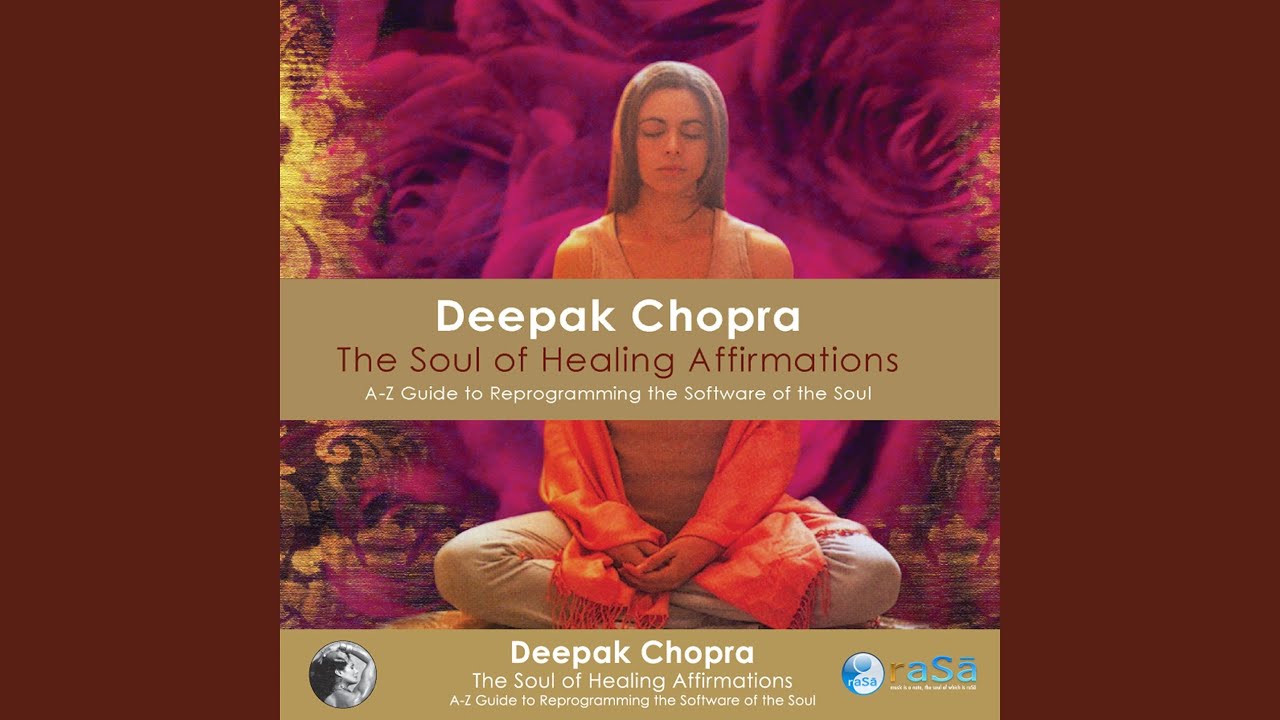
This meditation guide explores the consciousness principles underlying love attraction and relationship fulfillment. Rather than treating love as luck or chance, the approach positions romantic connection as a consequence of internal state, intentional awareness, and energetic alignment. Through meditation and mindfulness practices, individuals can shift their consciousness to become magnetic to authentic love while simultaneously cultivating deeper capacity to receive and sustain partnership.
What is the fundamental nature of love attraction?
The premise underlying this exploration rejects the notion that love is random or accidental. Instead, attraction operates as a principle of consciousness—like attracts like. When we examine relationships that last and feel authentic, we discover a common thread: the individuals involved had cultivated specific internal conditions before meeting. They were aligned with what they sought, not at the level of surface desire, but at the level of consciousness itself.
This doesn't mean visualizing a partner or using willpower to force attraction. Rather, it suggests that when we change our internal state—our sense of worthiness, our capacity to give, our openness to receive—we naturally attract different people and create different relationship dynamics. A person radiating genuine self-love, clarity about values, and emotional availability sends a different signal into the world than someone operating from scarcity, neediness, or confusion.
How do meditation practices deepen our capacity for love?
Meditation serves multiple functions in the love-attraction framework. First, it quiets the mental chatter that obscures authentic self-perception. Most people carry narratives about their lovability inherited from childhood, past relationships, or cultural conditioning. These stories run automatically, creating self-sabotaging patterns without conscious awareness.
Through sustained meditation practice, these patterns become visible. As they become visible, they lose their compulsive power. A person might notice, for instance, that they unconsciously seek partners who are unavailable (replicating an early parental dynamic), or that they pursue connection from a place of fear rather than desire. This awareness itself is transformative—not through judgment, but through the simple clarity that comes from observing without resistance.
Second, meditation cultivates the actual emotional texture that makes love possible: presence, vulnerability, authenticity, and compassion. These qualities cannot be faked or forced. They emerge naturally as the mind settles and the nervous system relaxes. In meditation, we practice being with ourselves exactly as we are—not the self we think we should be or the self we're trying to become. This radical self-acceptance becomes the foundation upon which genuine other-acceptance rests.
What role does intention play in manifesting love?
Intention, in this framework, differs from desire or wanting. Desire often carries an edge of scarcity ("I don't have love, so I need it desperately"). Intention, by contrast, is a clear statement of direction made from a grounded, centered place. An intention for love might sound like: "I am ready to attract and nurture a partnership rooted in mutual growth and authentic connection."
The power of intention lies in its organizing effect on consciousness. When we set a clear intention, our attention naturally reorganizes around it. We notice opportunities we previously overlooked. We respond differently in conversations. We make choices—from what social gatherings to attend to how we present ourselves—that align with the intention. Over time, these small shifts compound into measurable changes in our relational landscape.
Importantly, intention is not the same as attachment to outcome. A strong intention held lightly—where we're genuinely committed to the direction but not rigidly demanding a specific person or timeline—creates the conditions for authentic manifestation. Rigid attachment produces anxiety and desperation, which repel rather than attract.
How does self-love relate to attracting external love?
The concept of "self-love" sometimes gets dismissed as vague or self-indulgent, but within a consciousness framework it has precise meaning. Self-love means understanding your own worth independent of external validation. It means recognizing your fundamental okayness, prior to any achievement or relationship. It means treating your own wellbeing, boundaries, and growth with the same care you would extend to someone you deeply cherish.
This matters tremendously in love attraction because people with weak self-love unconsciously communicate neediness or self-abandonment. They're looking for a partner to complete them, validate them, or rescue them. Partners intuitively sense this burden and either flee or enter a dynamic where they become responsible for the other's emotional well-being. Neither creates healthy love.
Conversely, someone who genuinely loves themselves brings a different quality to relationships: autonomy, groundedness, clear boundaries, and the capacity to give from fullness rather than emptiness. They're not dependent on the relationship to feel okay. This paradoxically makes them more attractive and more capable of sustaining partnership, because they're choosing connection from wholeness rather than grasping from fragmentation.
What is the energetic dimension of love?
Beyond psychology, the meditation practices suggested work with energy or presence. In many contemplative traditions, this energy is understood as real and measurable—the quality of aliveness, warmth, and coherence that radiates from a person's being. Some traditions call this prana, chi, or simply presence.
When we meditate regularly, particularly with attention to the heart center, we strengthen and clarify this energy. People in our vicinity sense it, even if they can't name it consciously. Someone who meditates regularly tends to feel calmer, more grounded, and more accessible. These qualities are inherently attractive, not because of superficial charm, but because they signal safety, authenticity, and the capacity for genuine connection.
The practical effect: as your meditative practice deepens your presence and heart coherence, you naturally become someone people want to be around. You're more likely to be approached. Conversations flow more easily. Potential partners sense your availability not just intellectually but somatically—they feel your openness.
What are the key elements of a love-attracting meditation practice?
While specific techniques vary, effective love-attraction meditation typically includes:
- Breath awareness: Grounding the mind in the present moment through attention to the breath, which settles the nervous system and creates the internal quiet necessary for clarity.
- Heart focus: Directing attention toward the heart center, cultivating warmth, softness, and the felt sense of openness. This might involve visualizing light in the chest or silently repeating affirmations related to love and worthiness.
- Self-compassion phrases: Repeating gentle affirmations such as "I am worthy of love," "I am open to receiving," or "I attract relationships that honor and nourish me." The repetition rewires unconscious beliefs.
- Visualization: Gently holding an image of yourself in a fulfilling partnership, not to force manifestation through willpower, but to align your internal reference point with the experience you're calling forth. This helps the nervous system recognize love as possible.
- Gratitude practice: Cultivating genuine appreciation for love already present in your life—friendships, family, self-care moments—which shifts the baseline from scarcity to abundance. This energetic state is far more magnetic than desperation.
- Release and surrender: After setting intention and doing inner work, practicing the letting go of outcome. This paradoxically increases effectiveness because it removes the desperation that blocks authentic connection.
How does this differ from conventional attraction or dating advice?
Popular dating advice often focuses on external strategies: what to wear, what to say, where to go. While these have their place, they miss the foundational dimension. Two people can follow identical dating tips and get opposite results based on the quality of consciousness they bring.
The meditation and consciousness approach recognizes that lasting, satisfying love stems from internal alignment. Before refining your profile picture, clarify your internal narrative about love. Before perfecting pickup lines, examine and release your fear of rejection. Before chasing potential partners, become genuinely comfortable with solitude and your own company.
This isn't about passivity or waiting. It's about directing your effort toward the source—your consciousness, your beliefs, your energy—rather than endlessly optimizing surface behaviors. From a grounded, clear, open internal state, aligned action (dating, socializing, communicating) becomes far more effective because it comes from authenticity rather than desperation or strategy.
Where to go from here
The framework presented here is not abstract philosophy but a practical methodology with specific practices. Begin by establishing a basic meditation practice if you don't already have one—even ten minutes daily of breath awareness and heart focus creates measurable shifts. As the practice deepens, notice what beliefs about love, worthiness, and partnership surface. Don't fight them; simply observe them with curiosity and compassion. Gradually introduce specific affirmations and visualizations aligned with the love you wish to attract. Most importantly, stay with the practice long enough—weeks and months, not days—for the internal shifts to manifest in your outer experience. Love, understood this way, is not something that happens to you but something you actively create through the alignment of consciousness with intention.