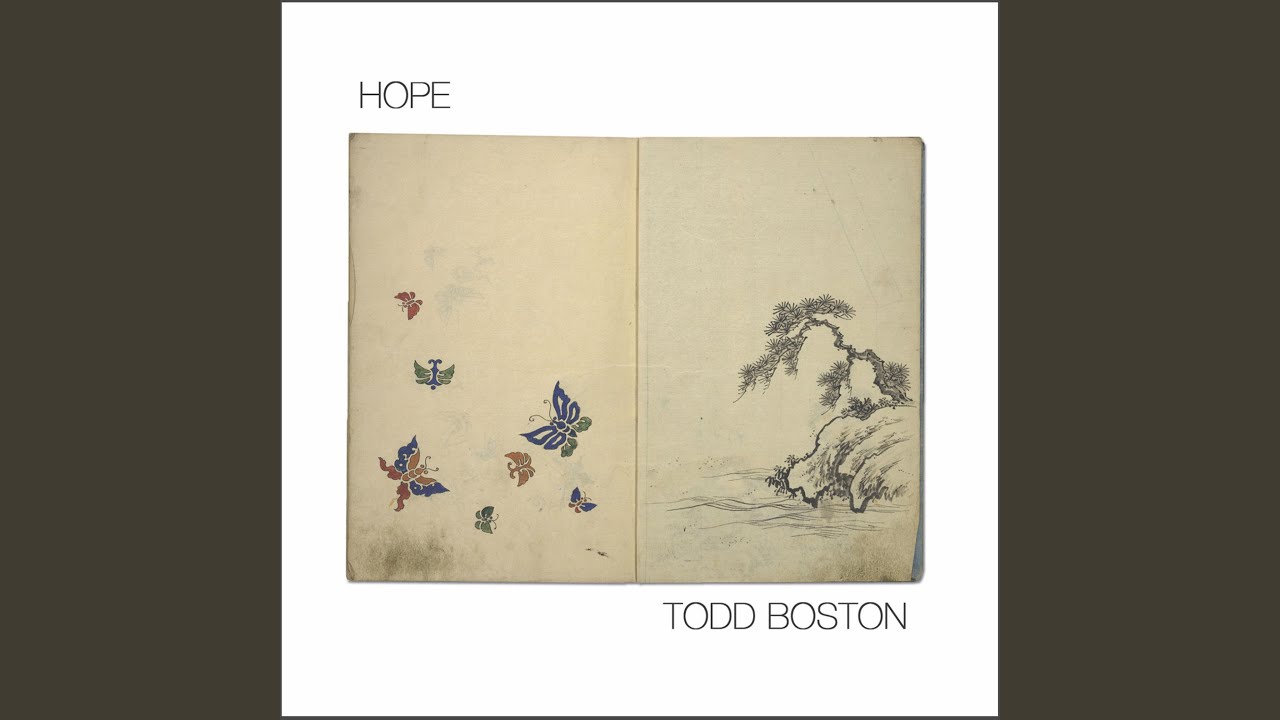
"Midnight Dreaming" is a musical composition that invites listeners into the contemplative territory of the dreamstate and nocturnal consciousness. Through sonic imagery and meditative musicianship, the piece explores the threshold between waking awareness and sleep, offering a space to reflect on the inner worlds that emerge when daylight consciousness recedes. The work exists as both artistic expression and potential entry point for deeper inquiry into the nature of consciousness itself.
What Is the Dreamstate as a Gateway?
The midnight hour occupies a unique psychological and spiritual position in human experience. It is the time when the structures of daylight consciousness—the planning mind, the social self, the rational filters—begin to dissolve. "Midnight Dreaming" uses musical form to honor this transition. Rather than treating the dream as mere neurological noise or psychological shadow material, the composition suggests that dreams merit serious contemplative attention as a legitimate mode of knowing.
In many contemplative traditions, the dream state has long been recognized as a doorway to deeper layers of mind. The nocturnal hours, particularly midnight, represent a natural dissolution of ego-structure. When the sensory gates close and external stimuli fade, what remains active is the imaginative, associative, and symbolic dimension of consciousness. The composition mirrors this inward turning through its harmonic and rhythmic choices, creating a sonic environment that does not impose external narrative but instead opens space for internal experience.
How Does Music Facilitate Inner Exploration?
Music operates in a realm that bypasses literal language and conceptual thought. It works directly with the nervous system and the emotional body. By using instrumental form rather than lyrical content, "Midnight Dreaming" creates what might be called a "neutral container"—a space that each listener's consciousness can fill with their own nocturnal imagery, memory, and feeling-states.
The choice to work with the midnight theme suggests an interest in the depths of consciousness that emerge when social and rational vigilance are lowered. Many contemplative musicians understand that sound itself can be medicine—not in the sense of fixing pathology, but in the sense of facilitating states of consciousness that allow deeper integration and understanding. By providing an attentive musical architecture, the work invites the listener's own dreaming intelligence to surface.
What Is the Liminal Space Between Sleep and Waking?
The period between waking and sleep, and between sleep and waking again, is called the hypnagogic and hypnopompic state respectively. These are windows of unusual permeability, where the defensive structures of the ego-mind soften and more subtle layers of consciousness become accessible. The imagery associated with midnight—darkness, silence, solitude—naturally evokes these threshold states.
In this liminal territory, normal causal logic dissolves. Symbols appear without requiring explanation. Time becomes non-linear. Connections form between disparate memories and perceptions that the daytime mind would never draw. "Midnight Dreaming" as a musical work seems to honor this quality by refusing conventional narrative arc and instead creating a dreamlike progression where harmonic and melodic elements shift in ways that feel organic to the dream-logic rather than to external structural rules.
Why Does Nocturnal Consciousness Matter?
Many people in modern culture treat sleep and dreams as necessary inconveniences—time to be "productive" is limited to waking hours. Yet numerous contemplative and psychological traditions suggest that relegating the night solely to rest misses a significant dimension of human consciousness. The unconscious mind is not inferior to the conscious mind; it is differently organized and processes information through different channels.
Dreams and the dreaming mind provide access to wisdom, creativity, and integration that the logical, goal-oriented daytime mind cannot easily reach. Indigenous cultures, traditional wisdom systems, and modern depth psychology all affirm that the nocturnal mind is a legitimate teacher. "Midnight Dreaming" as an artistic gesture seems to suggest that this realm deserves acknowledgment, listening, and respect.
How Can Listeners Engage with This Work?
Rather than passive consumption, "Midnight Dreaming" invites active inner participation. A listener might approach this piece in several ways:
- As evening or pre-sleep practice: Allowing the composition to guide the mind from the activity of the day toward the softer, more imaginal consciousness of night.
- As a dream-work companion: Playing the piece upon waking to help recover and hold onto the textures and imagery of recent dreams before they fade.
- As meditative exploration: Using the music as a focus for sustained attention, observing how the musical elements interact with one's own inner-scape.
- As artistic reflection: Considering the piece itself as a statement about the value of introspection, imagination, and the night mind in human wholeness.
Each listener will bring their own nocturnal history—their dreams, their insomnia, their visions, their restlessness—to this encounter. The music does not prescribe a single meaning but rather provides a resonant space where personal exploration can deepen.
What Does the Title Reveal About Intention?
The phrase "Midnight Dreaming" is neither "dreaming at midnight" nor "the dream of midnight" but rather a fusion of both—suggesting that midnight itself is a quality of consciousness that supports dreaming, and that dreaming is itself a form of awakeness. This semantic ambiguity is important. It resists the false dichotomy that treats waking and sleeping as opposite states, and instead suggests they are part of a spectrum of consciousness.
The work emerges from Todd Boston's album Alive, released in 2010. The album title itself suggests vitality and presence. Including "Midnight Dreaming" on a project called Alive affirms that the nocturnal, the unconscious, and the dream-realm are not dead zones or lesser states but integral to authentic aliveness.
Where to Go from Here
For those drawn to explore dreams and nocturnal consciousness more deeply, consider beginning or deepening a personal dream practice. Keeping a dream journal upon waking captures the texture of dreams before they fade into the noise of daytime. Pay attention to recurring symbols, emotional tones, and the feeling-sense of dreams rather than getting caught in literal narrative interpretation. Many contemplative traditions, from Tibetan dream yoga to Jungian analysis, offer frameworks for working with nocturnal consciousness as a path of self-knowledge.
Return to "Midnight Dreaming" not just as background music but as a structured opportunity to listen inward. Let the composition support your own exploration of what emerges when the external world quiets and the inner worlds begin to surface. The dreamstate is not separate from waking life but deeply woven through it. By honoring the midnight mind, we honor the full spectrum of our consciousness.